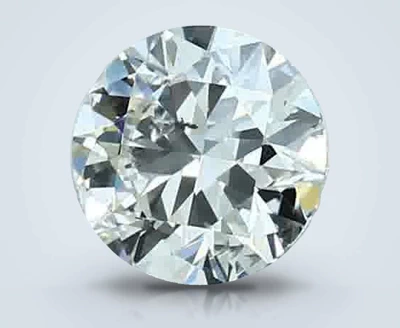
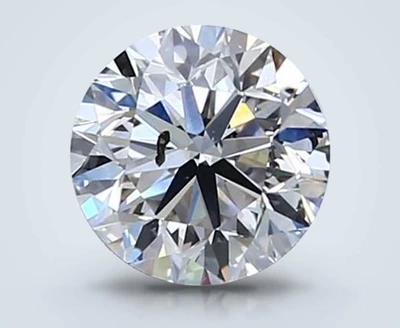
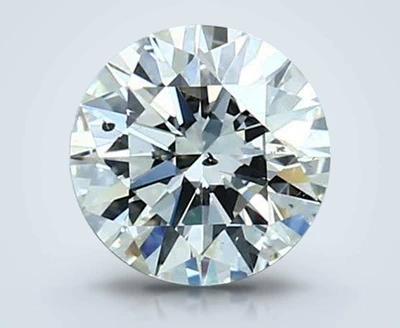
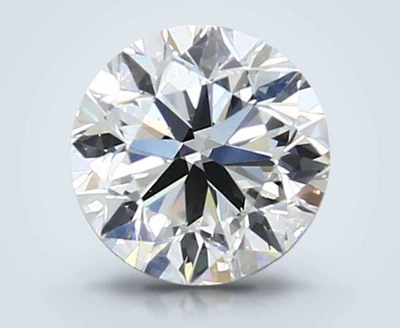
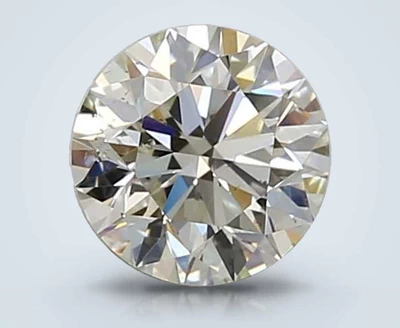
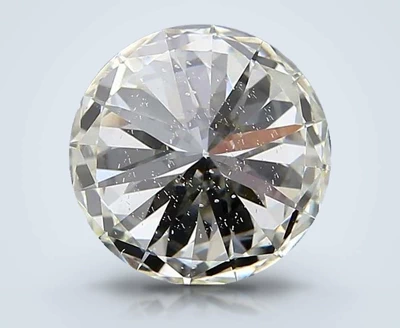
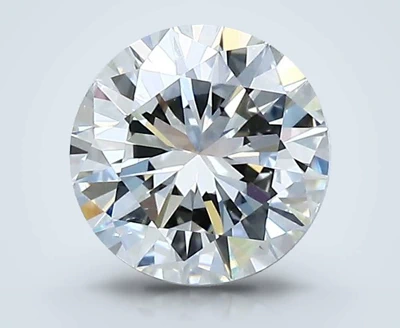
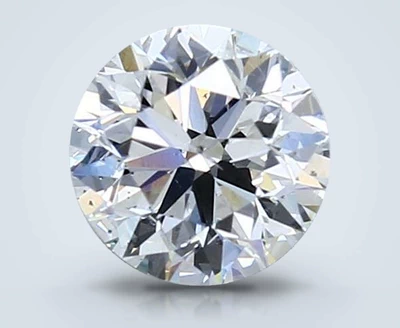
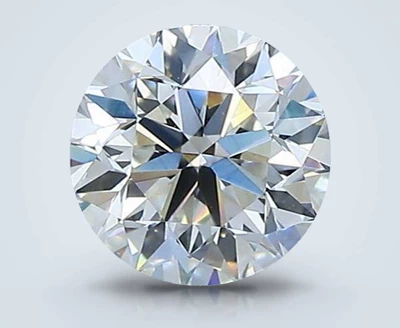
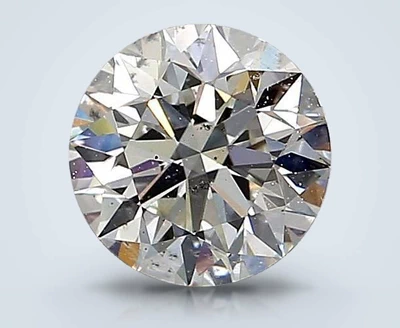
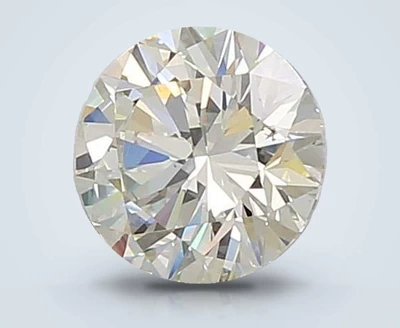
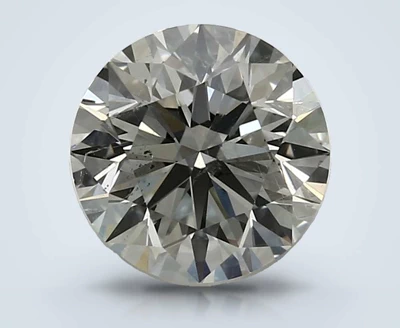
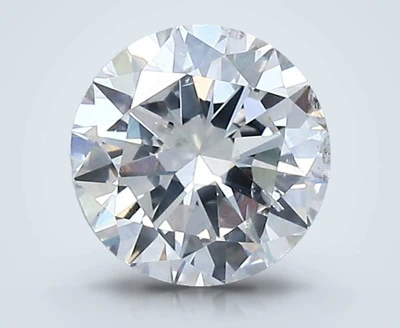
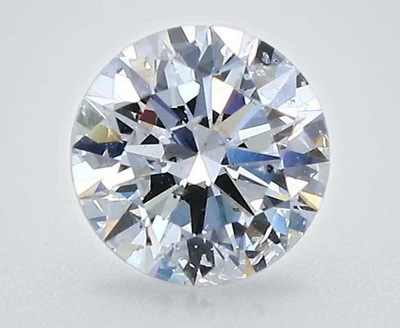
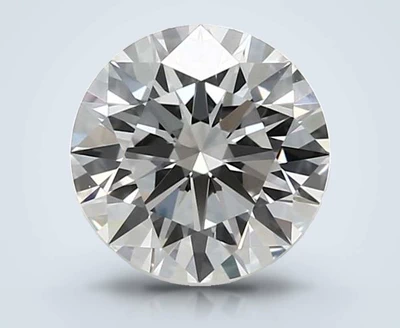
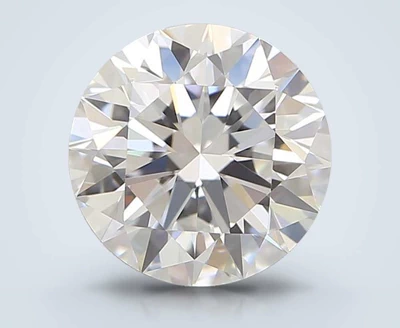
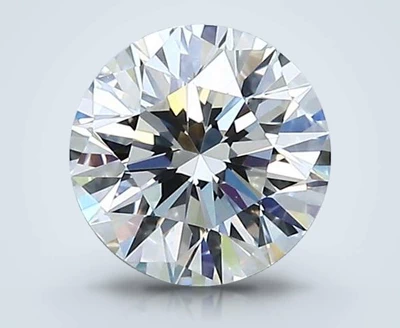
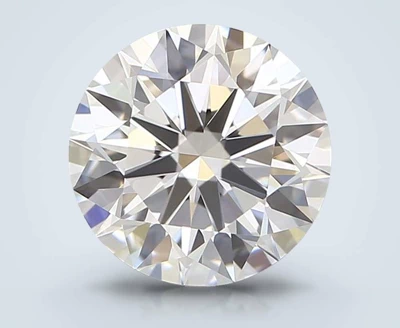
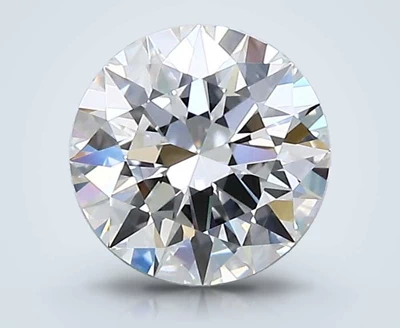
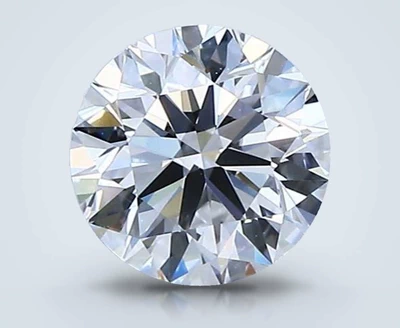
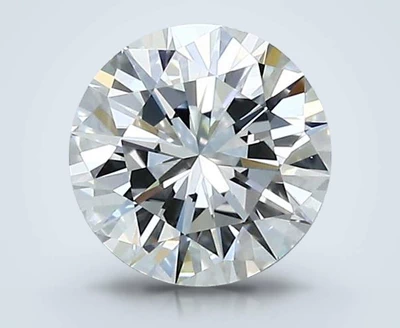
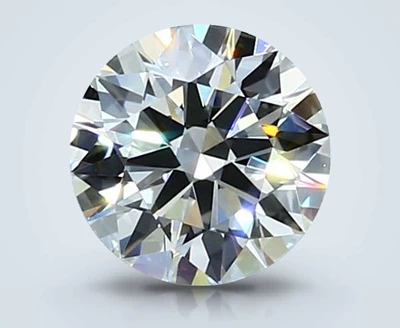
Round Cut Diamond Prices: The Whole Market on One Page
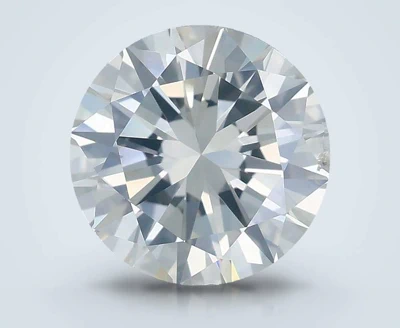
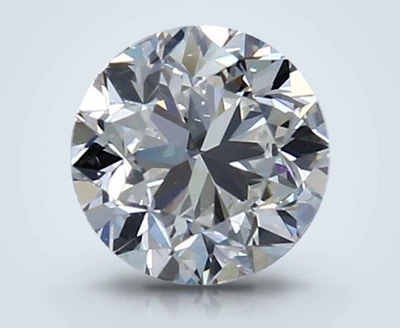
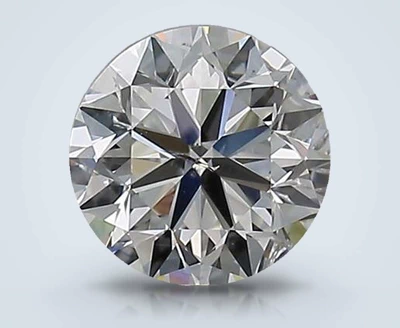
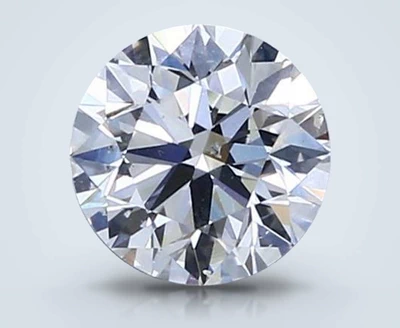
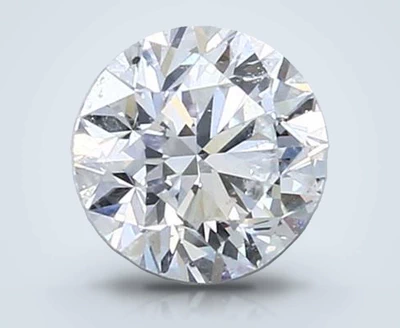
Round brilliants are 858,281 of the diamonds in Rare Carat inventory today, 373,595 natural and 484,686 lab grown, which is more stock than every fancy shape combined. A natural round cut diamond starts at $150 and a lab one at $120 with the current savings applied, and those are small stones; at the weight most engagement rings use, 0.90 to 1.10 carats, a natural round starts at $595 with a median of $2,834 and a lab grown round starts at $330 with a median of $464. The figures below were taken from inventory on October 17, 2026 and are refreshed regularly.
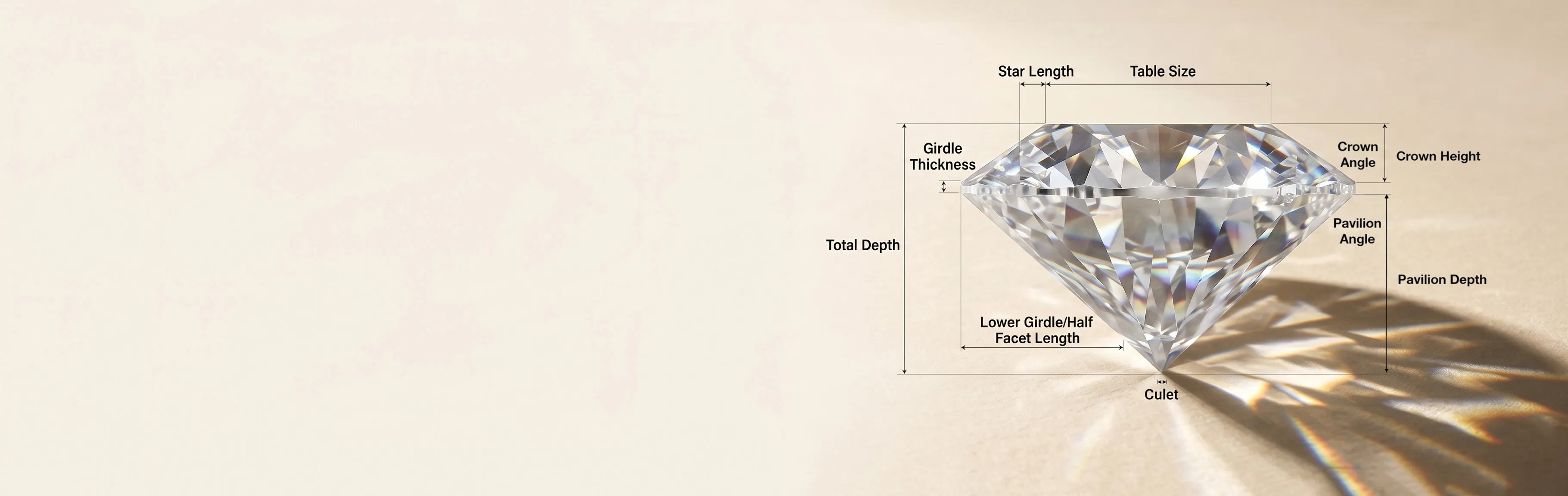
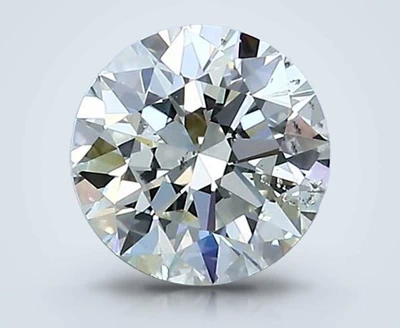
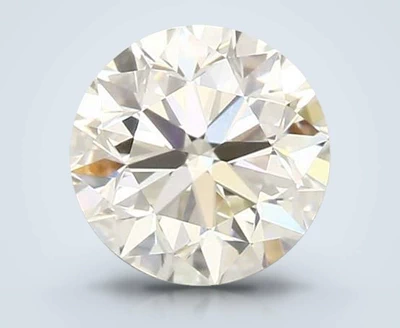
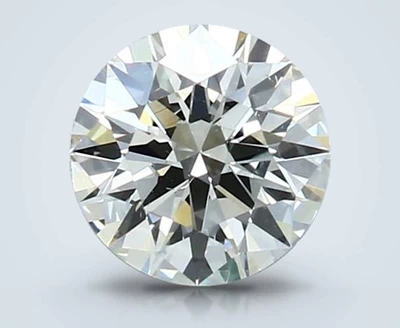
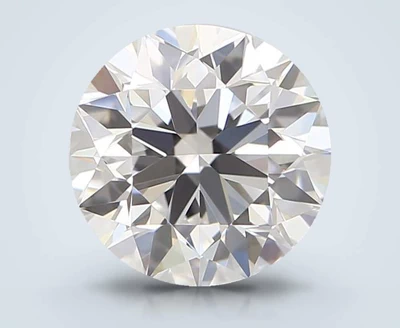
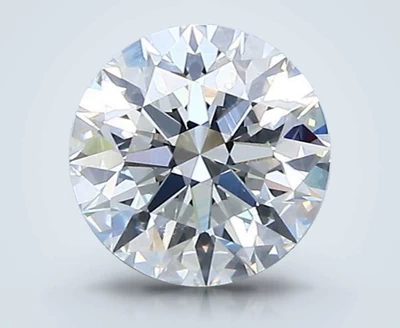
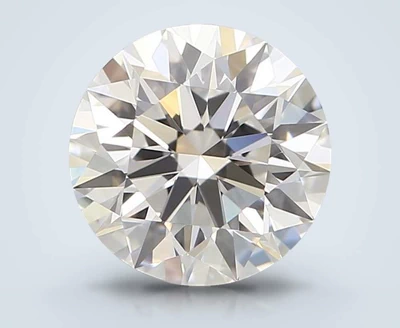
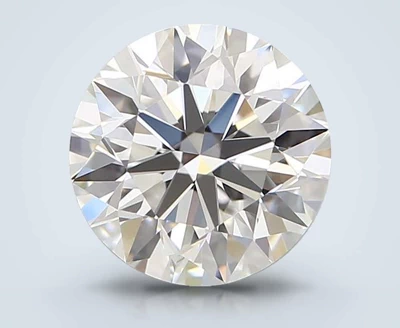
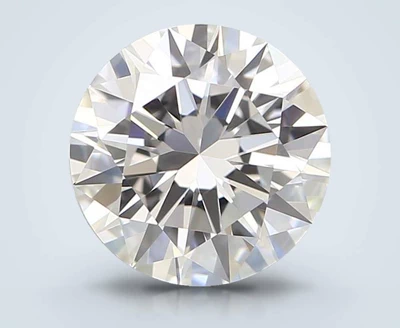
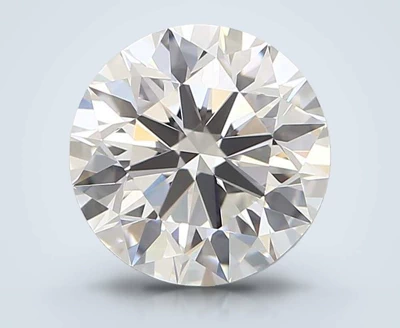
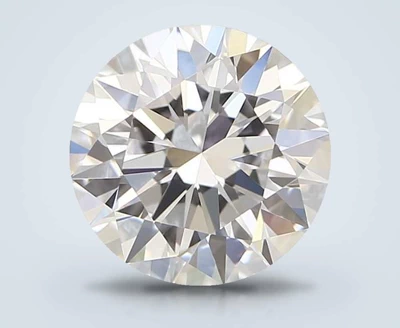
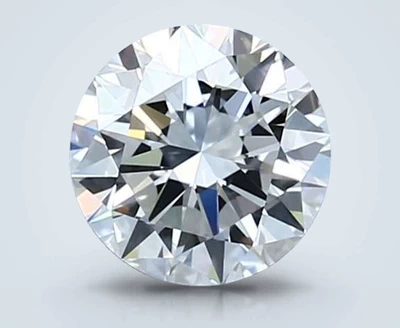
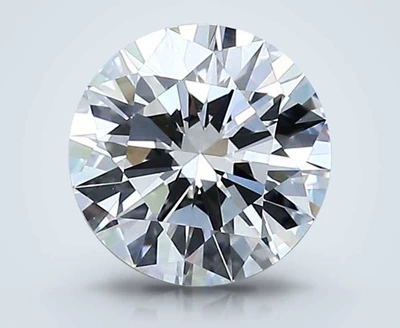
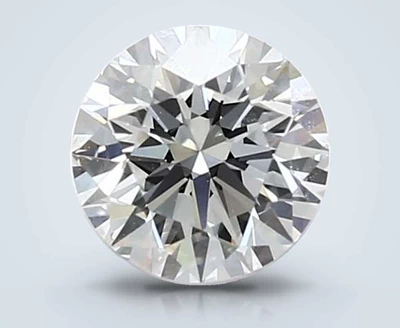
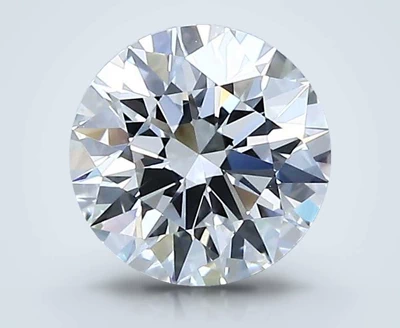
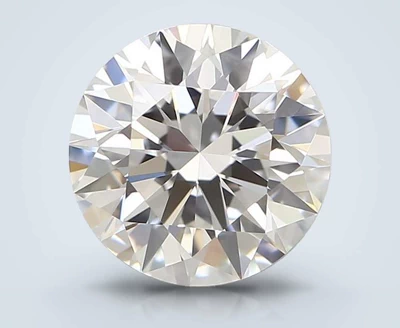
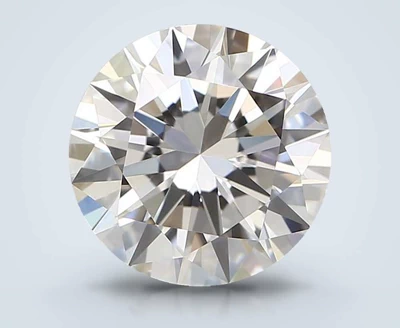
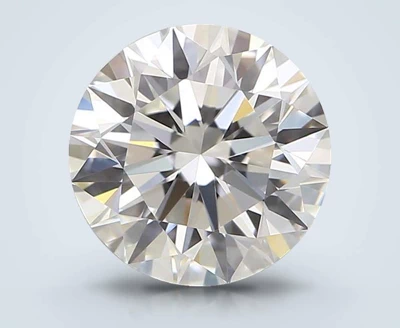
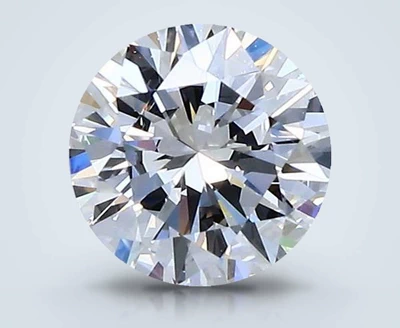
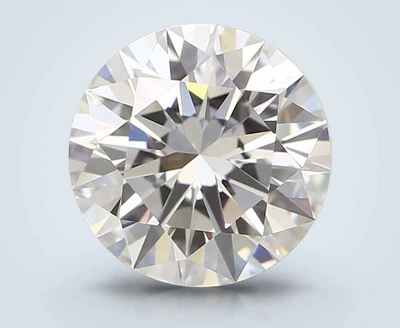
Two things make round the reference shape. It is the only cut with a formal cut grade on a GIA or IGI report, so Excellent and Ideal mean something specific rather than a seller's adjective, and it returns more light than any other shape at the same proportions. It is also the most expensive shape per carat in natural stones, because a round brilliant discards more of the rough crystal than any fancy cut; a natural round of the same grade usually costs more than the same weight in an oval cut diamond or a cushion cut diamond.
Natural Round Diamond Prices by Carat
The natural curve is steep. Half carat rounds (0.50 to 0.89 ct) have a median of $1,001; the one carat band has a median of $2,834; two carats $13,386; three carats $29,669. Per carat, that is roughly $1,430, $2,834, $6,693 and $9,890 at the median, so the price per carat itself climbs with weight, which is the arithmetic of rarity. The one carat band holds 29,929 natural rounds, the two carat band 5,889 and the three carat band 1,754. Each band in the table links to the page that goes deeper on that weight; the half and three quarter carat pages are 0.5 carat round cut diamonds and 0.75 carat round cut diamonds, and 1.25 carat and 1.5 carat rounds cover the steps between one and two.
Natural round diamonds by carat band, prices you pay today (373,595 stones, October 17, 2026)
| Carat band | Starts at | Median | In stock |
|---|
| under 0.50 ct | $150 | $452 | 201,407 |
| 0.50 to 0.89 ct | $245 | $1,001 | 105,072 |
| 0.90 to 1.10 ct | $595 | $2,834 | 29,929 |
| 1.11 to 1.49 ct | $1,095 | $4,360 | 8,968 |
| 1.50 to 1.89 ct | $1,260 | $6,786 | 14,203 |
| 1.90 to 2.10 ct | $3,240 | $13,386 | 5,889 |
| 2.11 to 2.89 ct | $4,445 | $21,520 | 3,521 |
| 2.90 to 3.10 ct | $7,565 | $29,669 | 1,754 |
| 3.11 to 3.89 ct | $11,550 | $38,627 | 970 |
| 3.90 to 4.10 ct | $16,400 | $51,004 | 559 |
| 4.11 ct and up | $18,580 | $95,920 | 1,323 |
| All natural rounds | $150 | $631 | 373,595 |
Lab Grown Round Diamond Prices by Carat
Lab grown rounds are 484,686 of the stones on this page and they rewrite the curve: medians of $219 at half a carat, $464 at one carat, $1,444 at two and $2,826 at three. The per carat price barely rises between one and three carats, so in lab grown the question is not what you can afford but what looks right on the hand; a three carat lab round is about 9.3 mm across against 6.5 mm for one carat. The round cut lab grown diamonds page is the lab only version of this one, with the clarity and color ladders in full.
Lab grown round brilliants by carat band, prices you pay today (484,686 stones, October 17, 2026)
| Carat band | Starts at | Median | In stock |
|---|
| under 0.50 ct | $120 | $130 | 28,521 |
| 0.50 to 0.89 ct | $120 | $219 | 41,527 |
| 0.90 to 1.10 ct | $330 | $464 | 116,471 |
| 1.11 to 1.49 ct | $400 | $626 | 42,012 |
| 1.50 to 1.89 ct | $525 | $1,029 | 86,422 |
| 1.90 to 2.10 ct | $685 | $1,444 | 47,603 |
| 2.11 to 2.89 ct | $725 | $2,369 | 41,939 |
| 2.90 to 3.10 ct | $1,345 | $2,826 | 18,962 |
| 3.11 to 3.89 ct | $1,405 | $3,499 | 14,499 |
| 3.90 to 4.10 ct | $1,800 | $4,027 | 11,918 |
| 4.11 ct and up | $2,125 | $5,390 | 34,812 |
| All lab grown rounds | $120 | $898 | 484,686 |
Color and Clarity at One Carat: Where Natural and Lab Diverge
In natural rounds every letter is paid for. Holding clarity at VS2 in the 0.90 to 1.10 carat band, D starts at $1,725, F at $1,600, G at $1,400, H at $1,070, I at $1,070 and J at $820; K, the last grade the grid shows, opens at $790. Holding color at G to H, SI2 starts at $755, SI1 at $1,075, VS2 at $1,070, VS1 at $1,230 and VVS2 at $1,270. A round brilliant hides inclusions better than any step cut, so SI1 is a sound floor when the video confirms it is eye clean, and G or H is the color where the saving is large and the tint is not.
Lab rounds flip the logic: D is the most common color on the ladder (77,306 of 114,744 one carat stones with VS2 or better clarity) and starts at $370, while clarity carries the price, with VS1 at $370, VVS2 at $380, VVS1 at $465 and IF at $800 among D to F stones. Buy the color for free and pay for the clarity you can see.
Natural rounds, 0.90 to 1.10 ct: starting price by color at VS2 clarity (5,219 stones) and by clarity at G to H color (9,567 stones)
| Color | Starts at | In stock |
|---|
| D | $1,725 | 581 |
| E | $1,500 | 629 |
| F | $1,600 | 622 |
| G | $1,400 | 892 |
| H | $1,070 | 1,010 |
| I | $1,070 | 797 |
| J | $820 | 406 |
| K | $790 | 282 |
| All D to K | $790 | 5,219 |
| Clarity | Starts at | In stock |
|---|
| SI2 | $755 | 1,399 |
| SI1 | $1,075 | 1,487 |
| VS2 | $1,070 | 1,902 |
| VS1 | $1,230 | 1,664 |
| VVS2 | $1,270 | 1,371 |
| VVS1 | $1,235 | 1,223 |
| IF | $1,765 | 518 |
| FL | $3,535 | 3 |
| All FL to SI2 | $755 | 9,567 |
Same Grade, Two Origins
A one carat G color VS1 natural round starts at $1,475 here and the typical one sells for $3,321; the lab grown round of the same grade starts at $370. H color SI1 is $1,075 natural against $375 lab, and E color VVS2 is $1,985 against $430. The two stones are optically identical; the natural one is scarce and GIA graded (335,900 of the natural rounds here carry GIA reports), the lab one is graded mostly by IGI (466,703 of 484,686). Fluorescence is a natural stone question: 264,267 of the 373,595 natural rounds have none, and the fluorescence guide explains when the rest matter.
Round cut, 0.90 to 1.10 ct, same grade
| Grade | Natural from | Natural median | Lab grown from |
|---|
| G color, VS1 | $1,475 | $3,321 | $370 |
| H color, SI1 | $1,075 | $2,323 | $375 |
| E color, VVS2 | $1,985 | $4,810 | $430 |
| All grades, 0.90 to 1.10 ct | $595 | $2,834 | $330 |
Cut Is the Grade That Shows
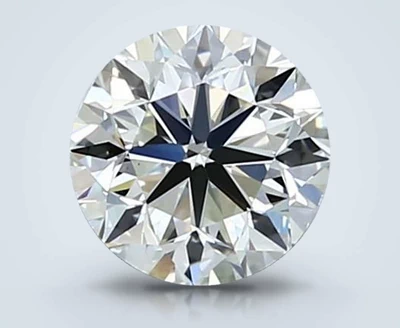
On a round, cut is worth more than a color grade. The report's cut grade covers proportions, polish and symmetry, and the diamond cut guide explains what each level means; the Rare Carat Ideal filter goes one step further and keeps only the proportion sets that return the most light, so two stones with the same Excellent grade can be told apart. Every round on this page has an AI price score, which compares the stone with similar rounds in stock and flags anything priced above its peers, and a quality score out of 18 that weighs cut, color and clarity together. If two finalists look the same on paper, our gemologists will compare them with you by chat or phone, without commission.
On every order Rare Carat is the merchant of record, and the inventory behind this page runs to more than 2 million natural and lab grown diamonds. Once you order, the diamond ships to our New York facility, where staff inspect it under a microscope and match the laser inscription to the report before it goes out. Insured shipping is free, returns are free within 30 days, resizing is free during the first year, and rings carry a lifetime manufacturing warranty. Affirm, Klarna, Afterpay, PayPal Pay Later and Katapult can all be chosen at checkout. On Google and Trustpilot Rare Carat holds a 5 out of 5 rating, and Trustpilot ranks it the highest rated jewelry brand in America.
Counts and prices cover every round cut diamond in Rare Carat inventory on October 17, 2026 that the grid on this page shows, every carat weight: D to K color, FL to SI2 clarity, Good cut or better, GIA, IGI or GCAL graded, with or without video; 373,595 natural (273,853 with 360 HD video) and 484,686 lab grown (384,627 with 360 HD video). Every price is what you pay today after the current savings; regular prices appear struck through on the product page. A starting price is the cheapest stone in its group, at any grade or weight. The color and clarity ladders use the 0.90 to 1.10 carat band, so grade rather than weight moves the price. Per carat figures divide the band median by the band's midpoint weight.