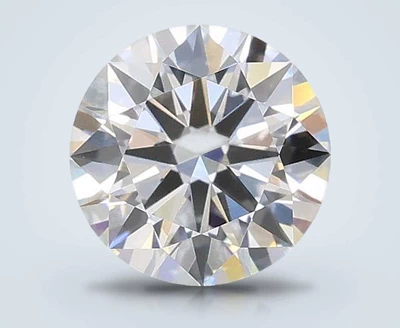
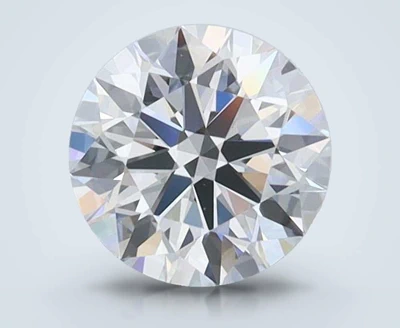
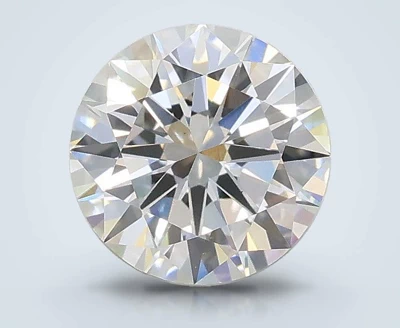
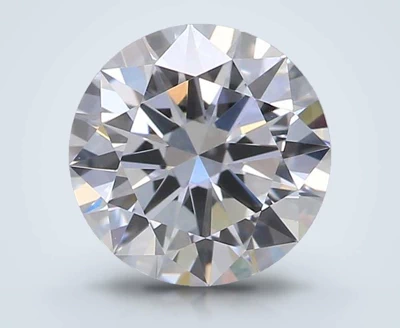
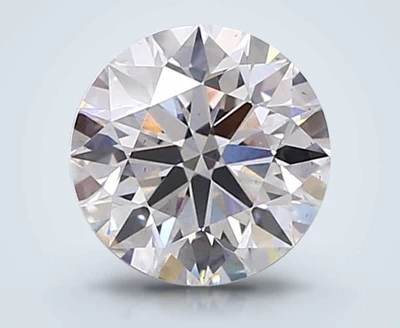
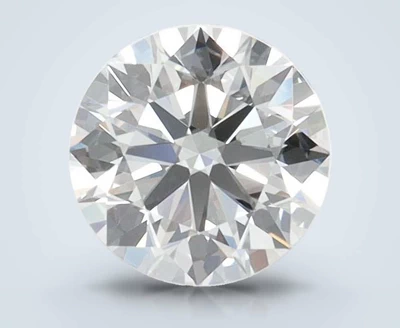
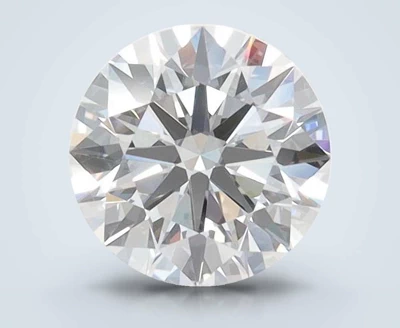
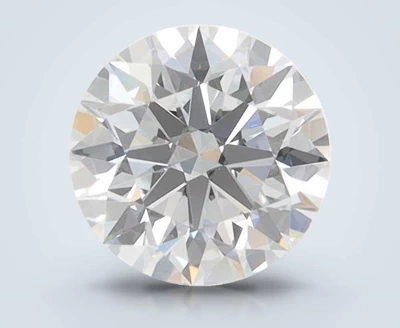
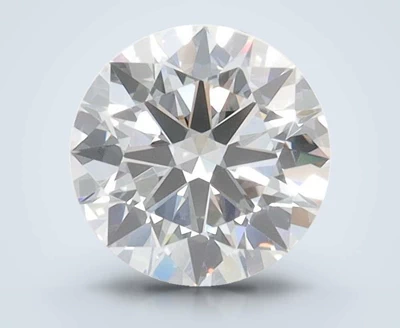
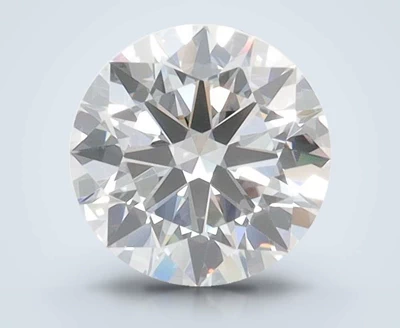
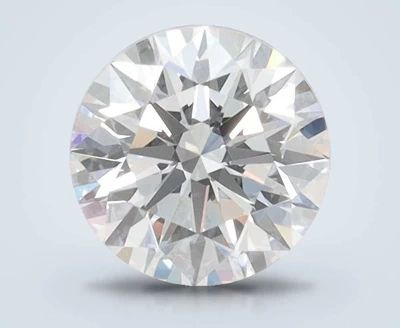
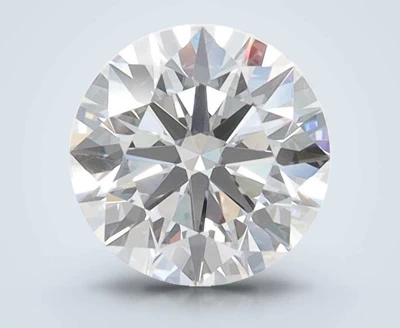
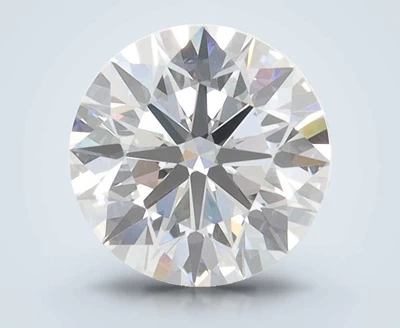
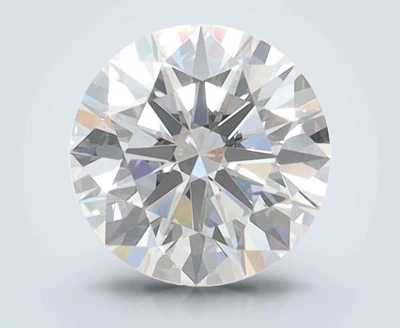
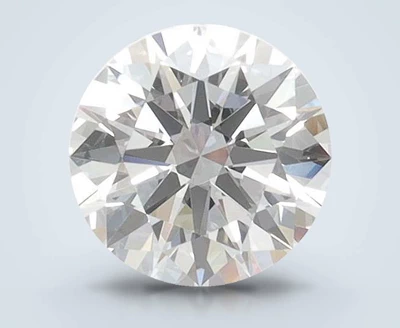
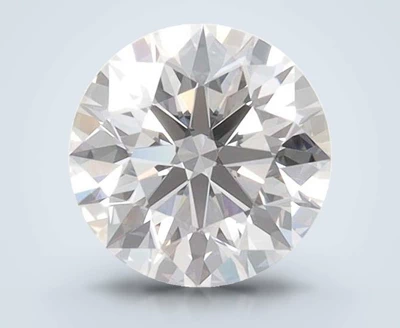
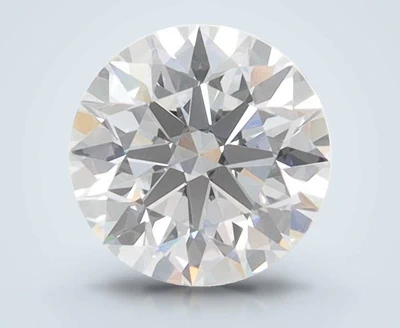
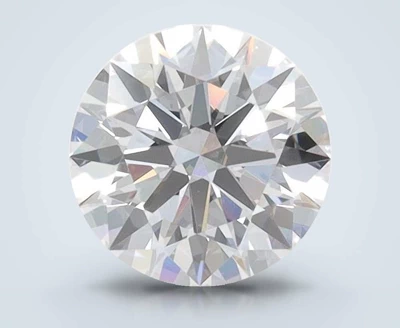
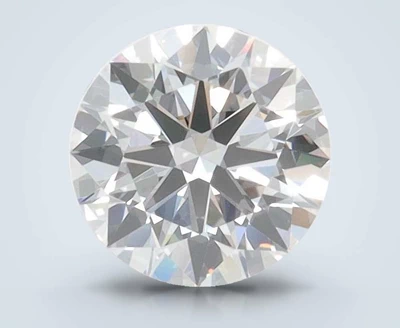
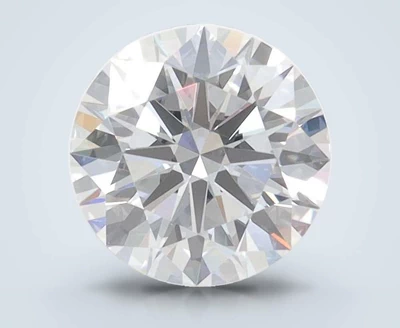
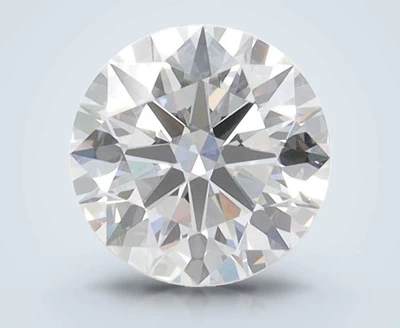
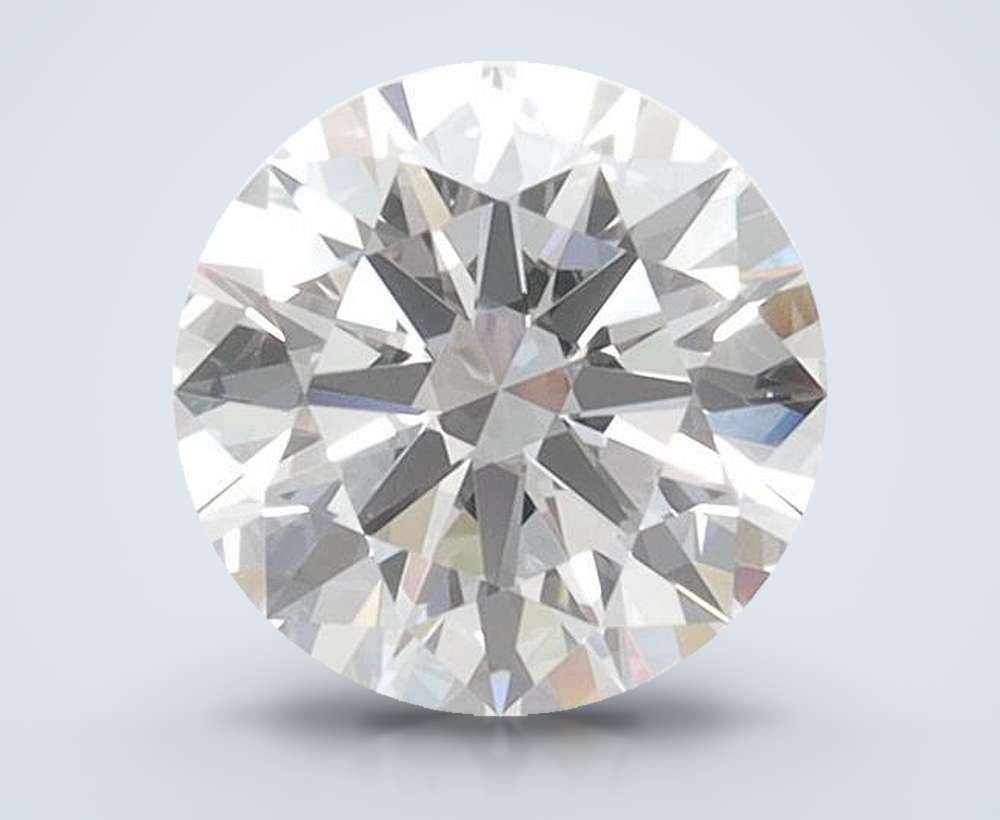
How Much Does a 1 Carat Lab Grown Diamond Cost?
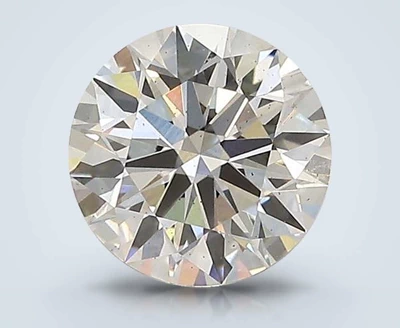
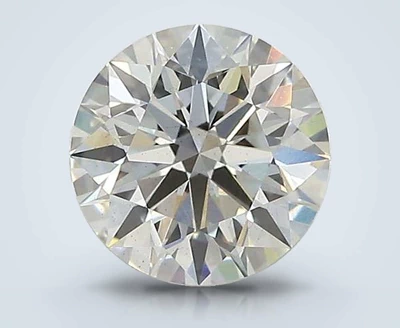
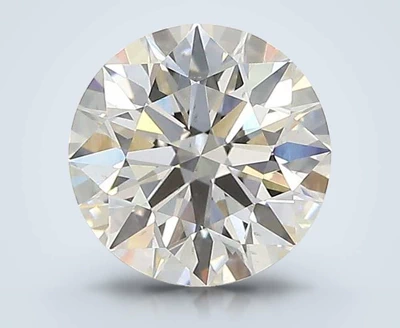
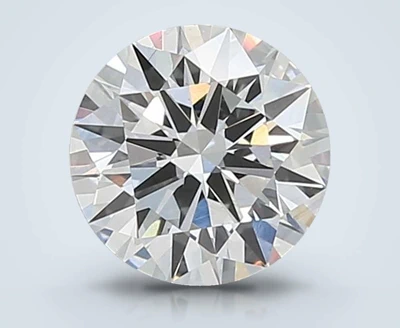
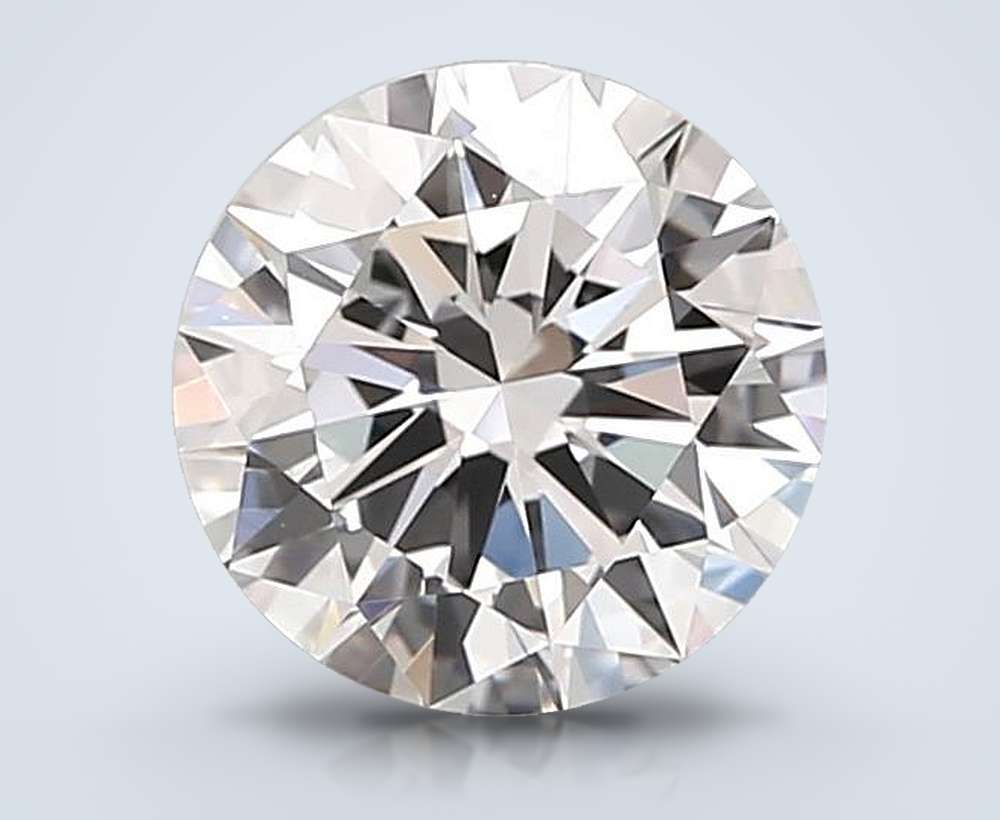
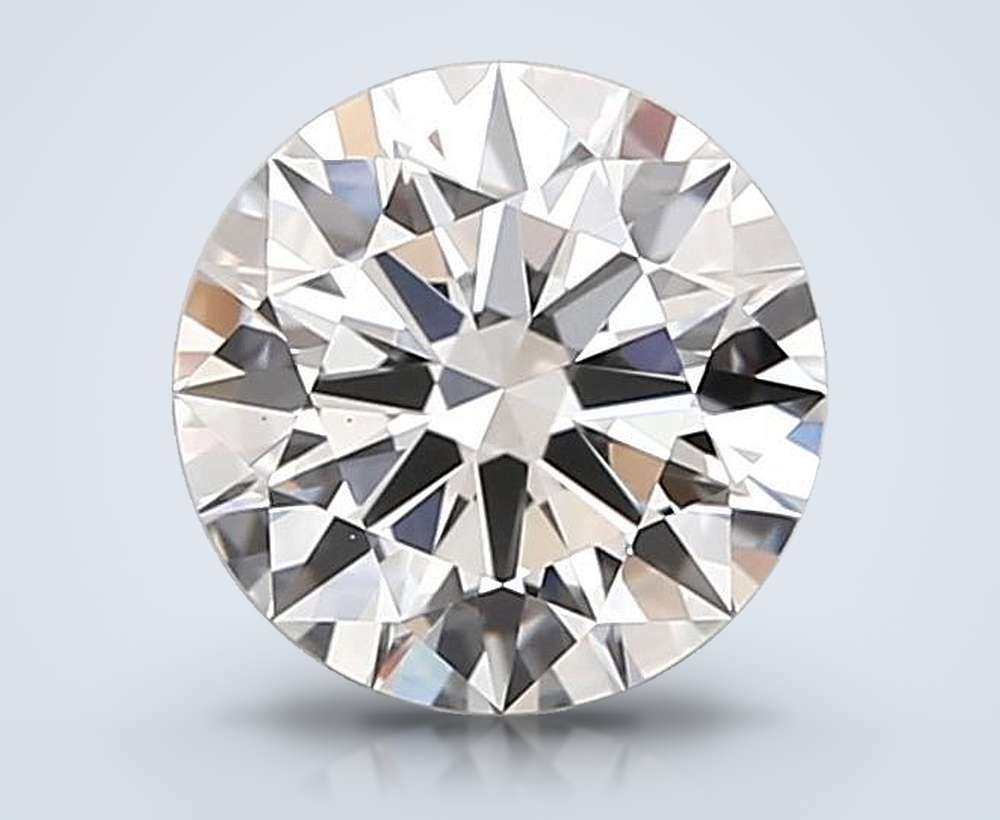
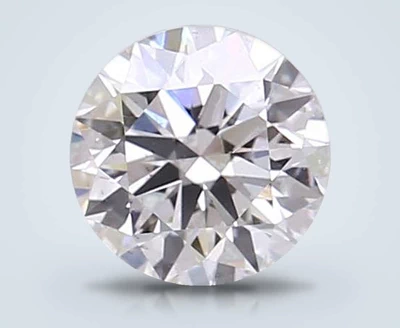
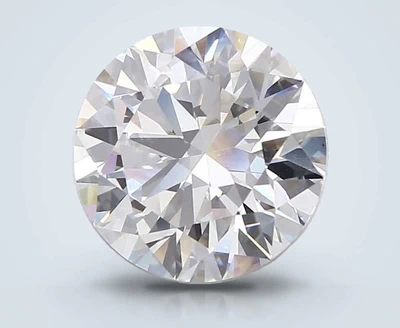
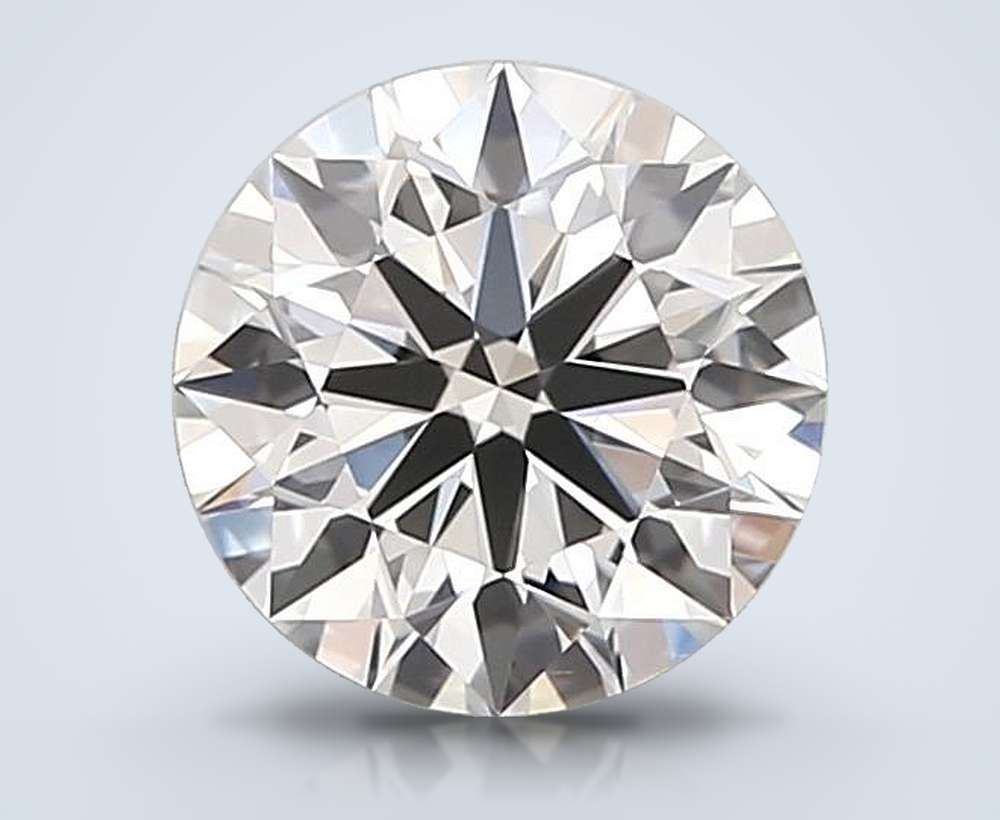
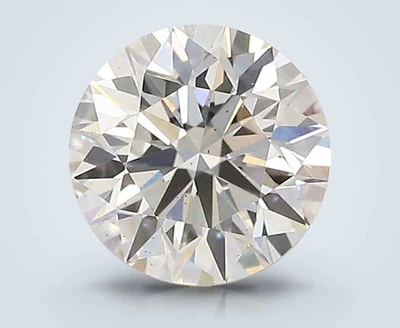
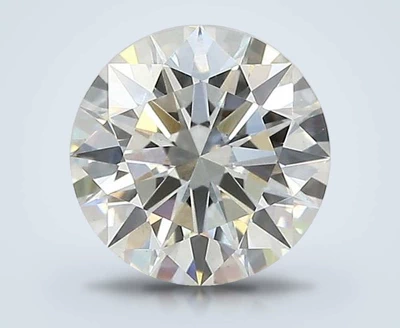
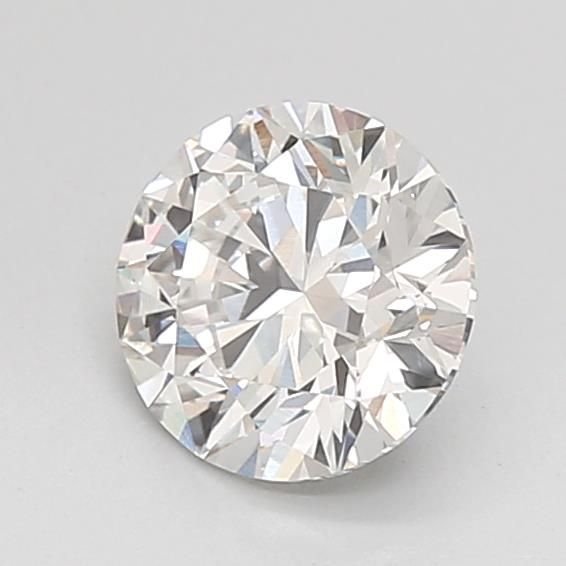
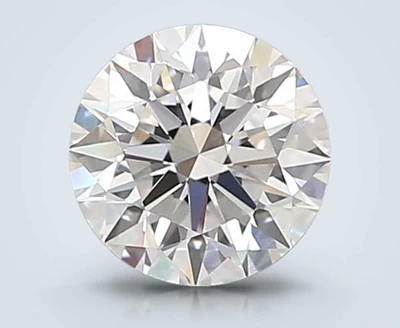
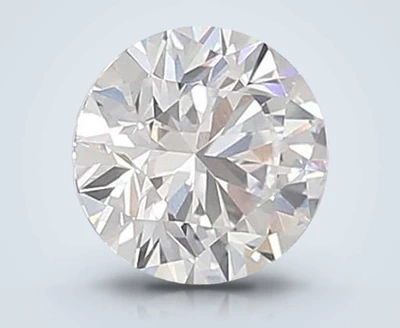
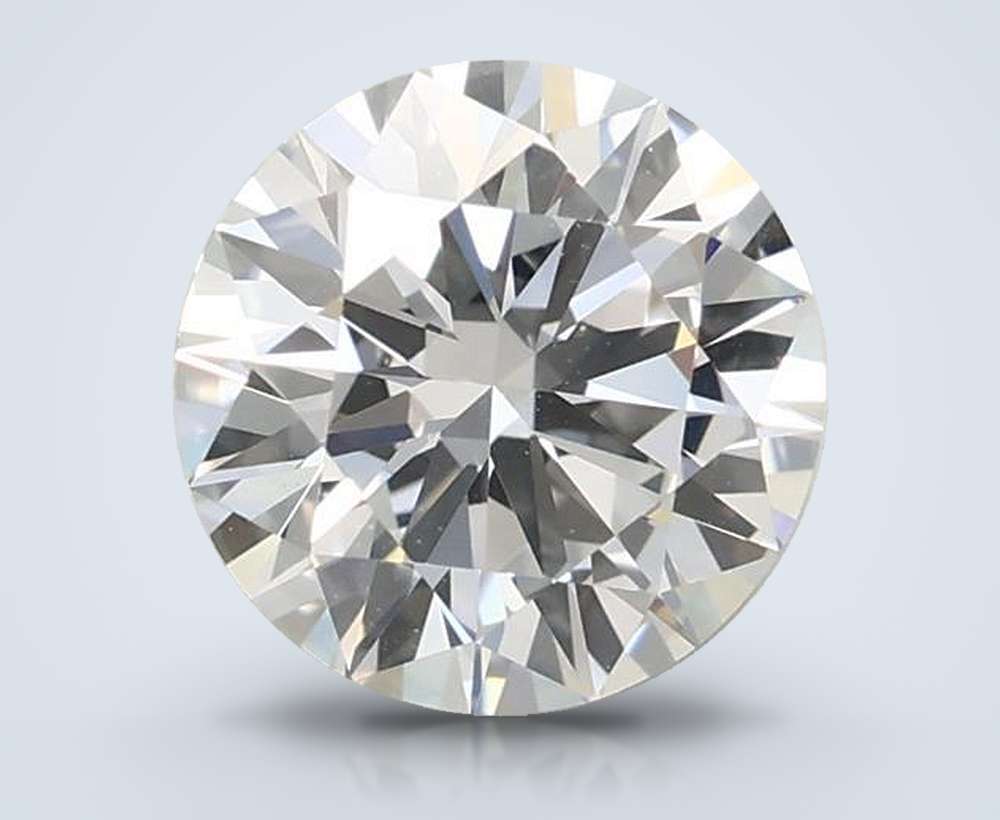
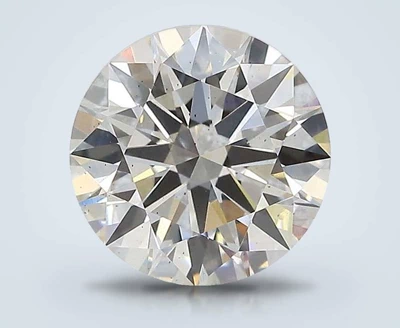
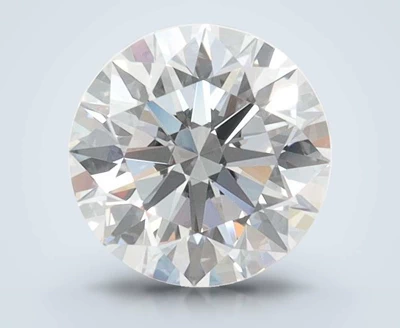
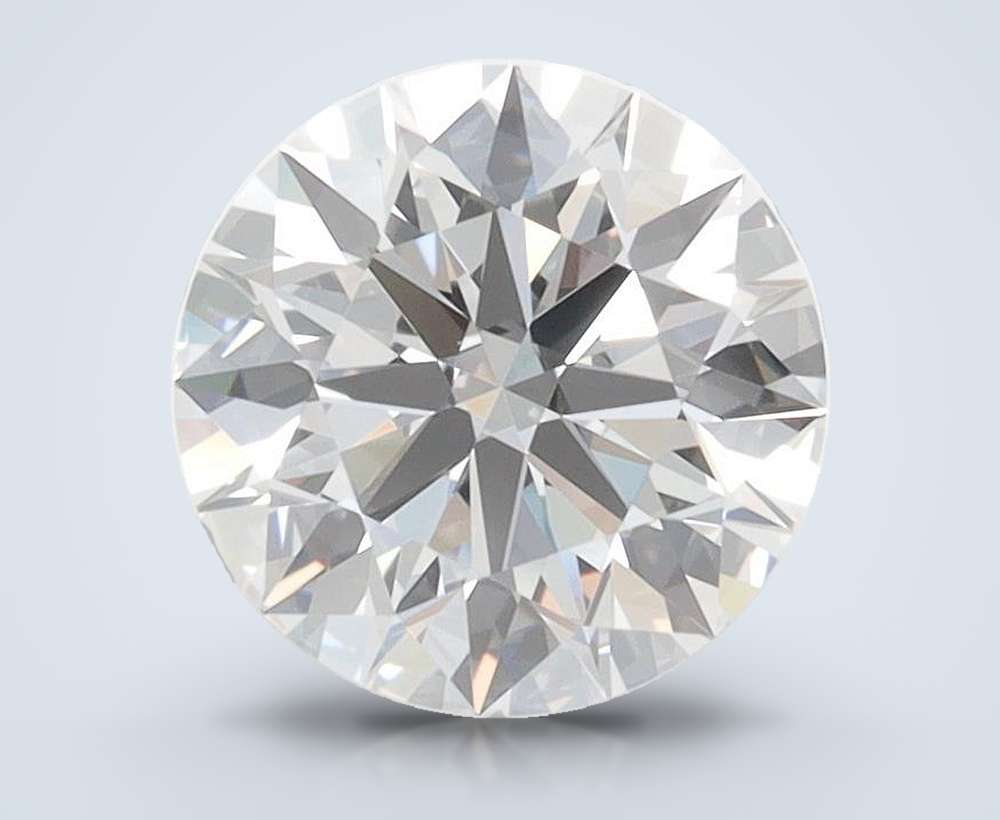
A 1 carat lab grown diamond at Rare Carat starts at $330 for a round and $320 to $430 for fancy shapes. Nine out of ten rounds between 0.90 and 1.10 carats are priced under $655, the typical round sells for about $464, and the most expensive round in stock today is $2,630. Every price in this guide is the price you pay today, with the current savings already taken off; the regular price is shown struck through on each stone. The counts come from the 246,616 lab grown diamonds between 0.90 and 1.10 carats in Rare Carat inventory on October 16, 2026, the same set the grid above shows, and 204,467 of them have 360 HD video. We update the figures regularly.
The same stone mined from the ground costs a lot more. A natural G color VS1 round in the same 0.90 to 1.10 ct band starts at $1,475 here, and the typical one sells for $3,307. The lab version of that exact grade is $370. That is the entire case for a 1ct lab diamond: you keep the look of a one carat solitaire and spend about a quarter of the money.
Lab vs natural, 0.90 to 1.10 ct rounds, same grade
| Grade | Lab from | Natural from | Natural median | What you save |
|---|
| G color, VS1 | $370 | $1,475 | $3,307 | About 75% |
| E color, VVS2 | $430 | $1,985 | $4,827 | About 78% |
| All grades, all shapes | $320 | $505 | $2,390 | Median $556 vs $2,390 |
1ct Lab Diamond Prices by Clarity and Color
Clarity moves the price of a 1 carat lab grown diamond far more than color does. Among colorless (D to F) rounds, a VS1 opens at $370 and a VVS2 at $380. Step up to VVS1 and the floor moves to $465. Internally flawless begins at $800 and flawless at $885. Going the other way saves little: VS2 opens at $365, SI1 at $355 and SI2 at $355, because growers cut most of their one carat rough to hit VS1 or better. So VS1 works as the practical floor, and VVS2 buys a cleaner stone for about $10 more.
Starting price by clarity, D to F color rounds, 0.90 to 1.10 ct (counts are all 113,059 D to F rounds in the grid set)
| Clarity | Starts at | Stones in stock | Worth it? |
|---|
| FL | $885 | 2,943 | Only if the certificate matters more than the look |
| IF | $800 | 4,550 | Same answer |
| VVS1 | $465 | 22,663 | Clean under a loupe, invisible upgrade to the eye |
| VVS2 | $380 | 46,087 | Best balance of price and paperwork |
| VS1 | $370 | 26,231 | The value pick, eye clean every time |
| VS2 | $365 | 8,861 | Little saving over VS1 at the moment |
| SI1 | $355 | 1,636 | Check the video for visible inclusions |
| SI2 | $355 | 88 | Rare in lab at this size; video check essential |
| All D to F rounds | $355 | 113,059 | |
Color barely registers in the price. D rounds with VS2 or better clarity begin at $370, E at $370, F at $365, G at $370 and H at $350. The lab process produces so many colorless crystals that D is the most common grade in stock (76,568 rounds), not the rarest. Natural diamonds work the other way, with each step from G to D adding hundreds of dollars. Anyone who has always wanted a D color stone should know that it costs nothing extra here.
Starting and median price by color, rounds with VS2 or better clarity, 0.90 to 1.10 ct
| Color | Starts at | Median | Stones in stock |
|---|
| D | $370 | $464 | 76,568 |
| E | $370 | $468 | 25,855 |
| F | $365 | $468 | 8,912 |
| G | $370 | $455 | 2,631 |
| H | $350 | $419 | 639 |
| I | $355 | $387 | 68 |
| J | $355 | $419 | 13 |
| K | $355 | $446 | 5 |
| All D to K | $350 | | 114,691 |
Price by Shape, and How Big Each One Looks
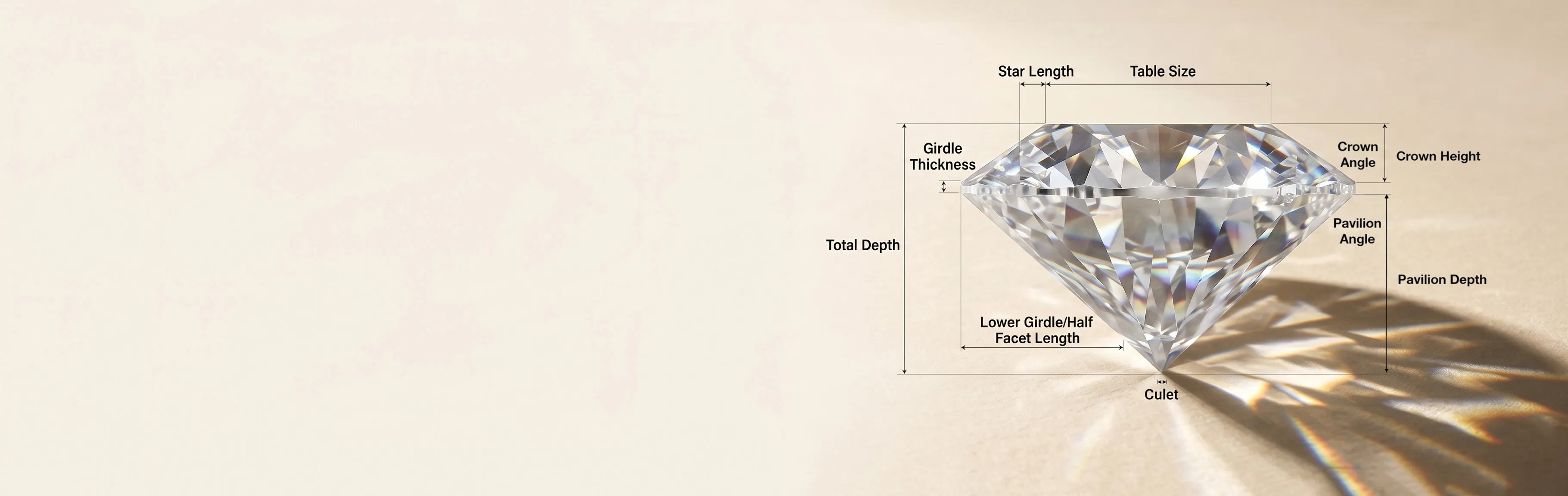
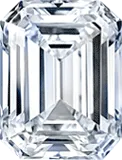
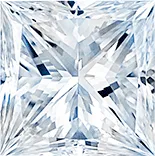
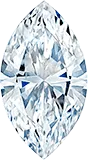
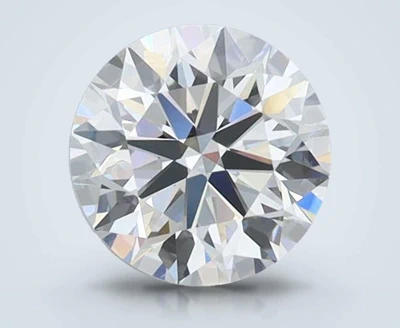
Rounds are the most plentiful shape at one carat because they are grown and cut in the largest volume: 116,459 of the 246,616 stones on this page. A round starts at $330 and the fancy shapes between $320 and $430, with emerald cuts, radiant cuts and pears closest to round pricing and asscher cuts and marquises the furthest away. Size on the hand is a separate question. A well cut 1ct lab diamond in a round measures about 6.4 to 6.5 mm across. An oval of the same weight runs roughly 7.5 by 5.5 mm and reads larger from across the table, while a cushion sits closer to 5.5 to 6 mm because it carries more weight underneath.
0.90 to 1.10 ct lab grown, every stone the grid shows (D to K color, SI2 or better clarity, Good cut or better), prices you pay today
| Shape | Starts at | Median price | Typical face-up size | In stock |
|---|
| Round | $330 | $464 | 6.4 to 6.5 mm | 116,459 |
| Emerald | $320 | $568 | 6.5 x 4.5 mm | 15,798 |
| Radiant | $350 | $600 | 6.5 x 5 mm | 10,327 |
| Pear | $365 | $607 | 8 x 5.5 mm | 19,406 |
| Cushion | $390 | $623 | 5.5 to 6 mm | 14,222 |
| Oval | $370 | $653 | 7.5 x 5.5 mm | 24,248 |
| Princess | $395 | $665 | 5.5 mm square | 10,888 |
| Marquise | $425 | $674 | 10 x 5 mm | 17,491 |
| Asscher | $430 | $643 | 5.5 mm square | 3,645 |
| Heart | $410 | $597 | 6.5 x 6.5 mm | 14,132 |
| All shapes | $320 | $556 | | 246,616 |
Does Buying Just Under a Carat Save Money?
With natural diamonds, dropping to 0.90 carats usually knocks 15 to 20 percent off the price, because the full carat mark carries a premium. Lab stones barely react to it here. Colorless (D to F) rounds with VS2 or better clarity begin at $365 between 0.90 and 0.99 carats and at $370 between 1.00 and 1.10 carats, so buying shy saves $5 and gives up the full carat. The step that costs real money is the next one: 1.11 to 1.29 ct opens at $420 and 1.50 to 1.59 ct at $740 for the same grade. If you are weighing a 1 carat lab diamond against a slightly bigger one, that gap deserves a look, and our 1.5 carat lab grown diamonds page shows the next jump up.
Lab grown by carat band, all shapes: the first two rows are the 246,616 stones on this page
| Carat band | Starts at | Median | In stock |
|---|
| 0.90 to 0.99 ct | $320 | $493 | 24,423 |
| 1.00 to 1.10 ct | $350 | $562 | 222,193 |
| 1.11 to 1.29 ct | $400 | $614 | 44,614 |
| 1.50 to 1.59 ct | $525 | $1,080 | 172,707 |
How to Pick the Best 1 Carat Lab Diamond Here
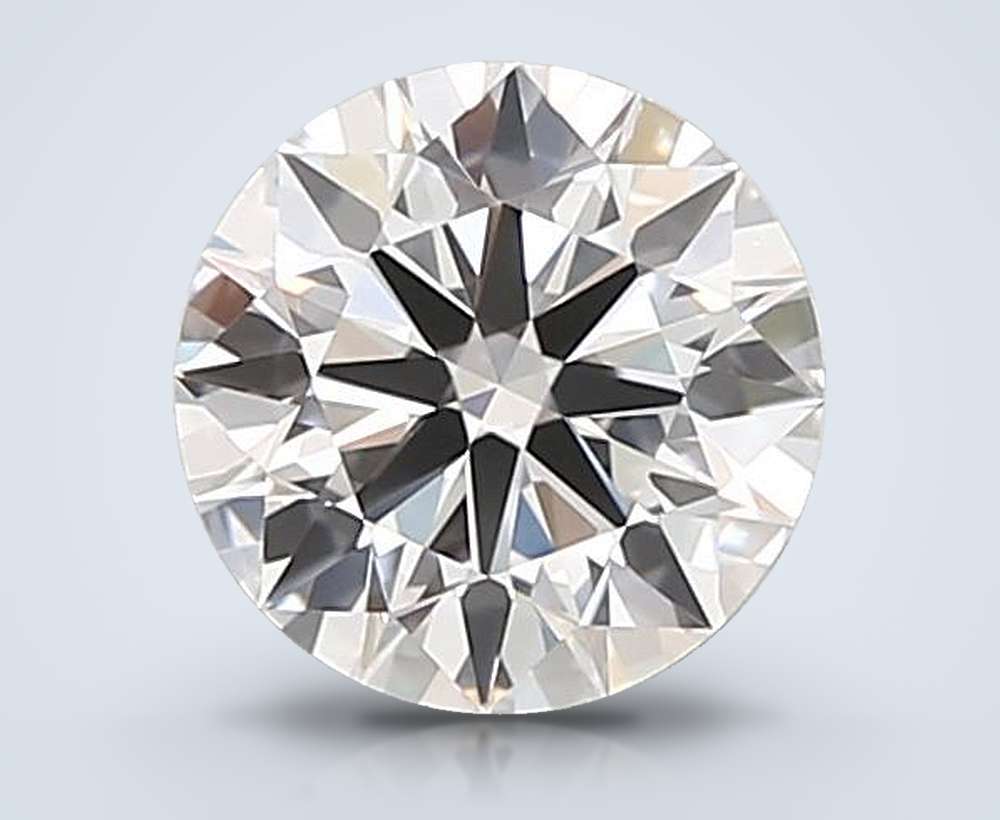
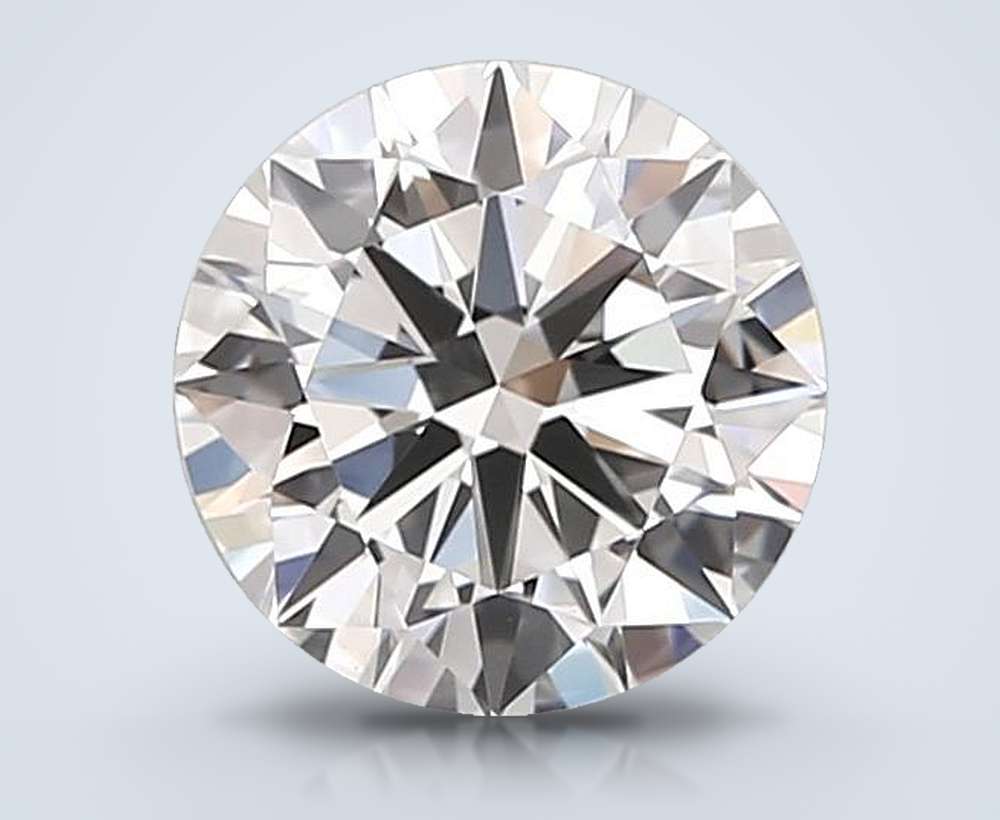
Start with cut when choosing your stone, because cut alone shows from three feet away. Filter to Excellent or Ideal, and if you want us to do the sorting, use the Rare Carat Ideal filter, which keeps only the proportions that return the most light. Every stone on this page has an AI price score and a quality score out of 18, so a stone priced above the stones around it gets flagged before you click into it. Next, pick a clarity from the table above. VS1 sets the floor, VVS2 buys cleaner paperwork, and anything higher serves the certificate rather than the eye. Then open the 360 HD video. On a 1 carat lab diamond, an inclusion that shows on video will show in person, and one that does not will not.
Certification comes last. Of the 246,616 1ct lab diamonds here, 241,797 carry IGI reports, 2,518 GCAL and 2,301 GIA, and the report number sits on every product page so you can check it against the lab's own database. Fluorescence is rarely an issue in lab material (116,458 of the 116,459 rounds have none), but the filter is there for anyone who wants none at all. If you get stuck between two stones, our gemologists will look at both with you by chat or phone, and there is no commission riding on which one you choose.
What Happens After You Order
Rare Carat is the merchant of record on every order, so checkout, billing, shipping and support all run through us. Once you order, your diamond ships to our New York facility, where our staff inspect it under a microscope and match the laser inscription to the grading report before it goes into a setting or out the door. Shipping is free and insured, returns are accepted for 30 days, resizing is free for the first year, and every ring carries a lifetime manufacturing warranty. If you would rather spread the cost, financing is available at checkout through Affirm, Klarna, Afterpay, PayPal Pay Later and Katapult. Rare Carat holds a 5 out of 5 rating on both Google and Trustpilot, and Trustpilot ranks us as the highest rated jewelry brand in America.
Not sure lab is right for you? Our 1 carat natural diamonds page shows the mined side of the same decision, and the guide to 1 carat lab grown diamond prices walks through how the two markets moved over the last few years.
Counts and prices cover every lab grown diamond between 0.90 and 1.10 carats in Rare Carat inventory on October 16, 2026 that the grid on this page shows: all shapes, D to K color, FL to SI2 clarity, Good cut or better, GIA, IGI or GCAL graded, with or without video (246,616 stones, 204,467 with 360 HD video). Prices are today's prices with the current savings already taken off; the regular price is shown struck through on each stone. Starting prices are the lowest priced stone in each group. Natural figures use the same carat range and price grades. Face-up sizes are typical for well cut stones and vary by depth.