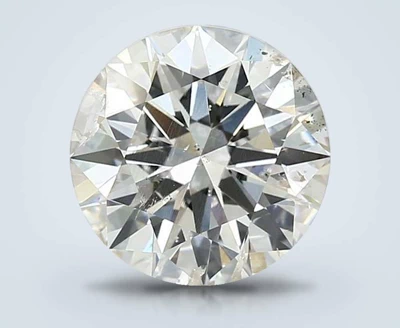
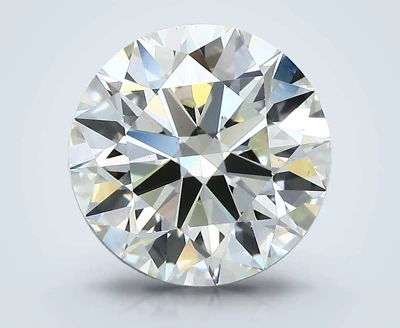
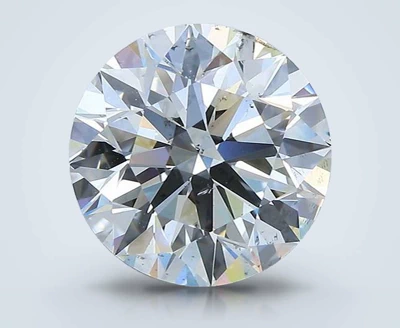
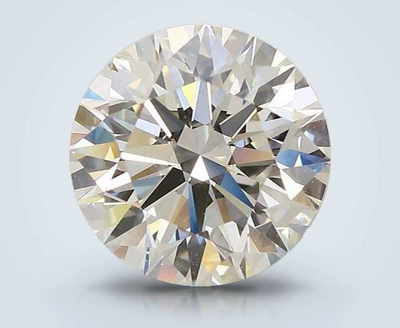
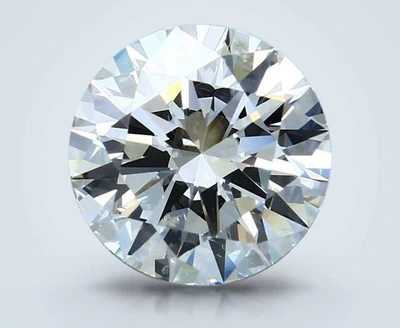
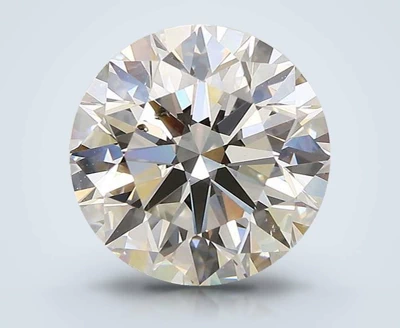
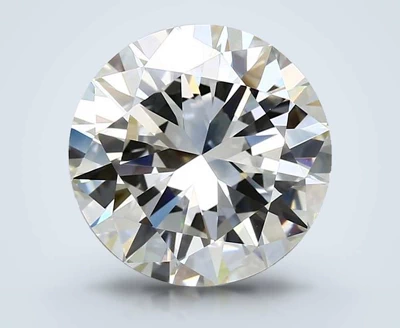
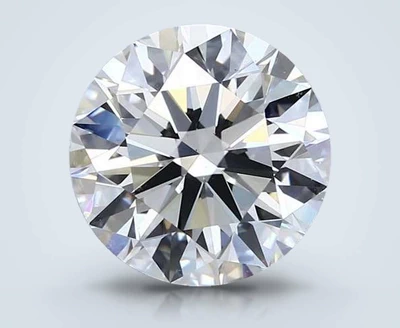
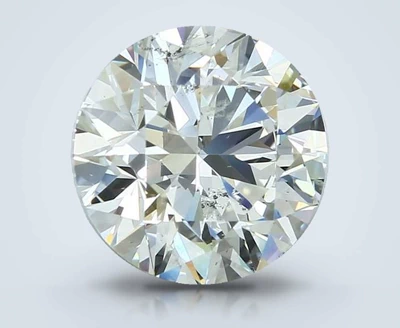
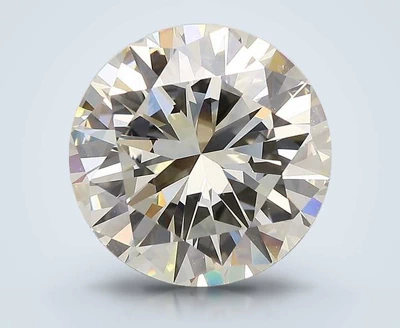
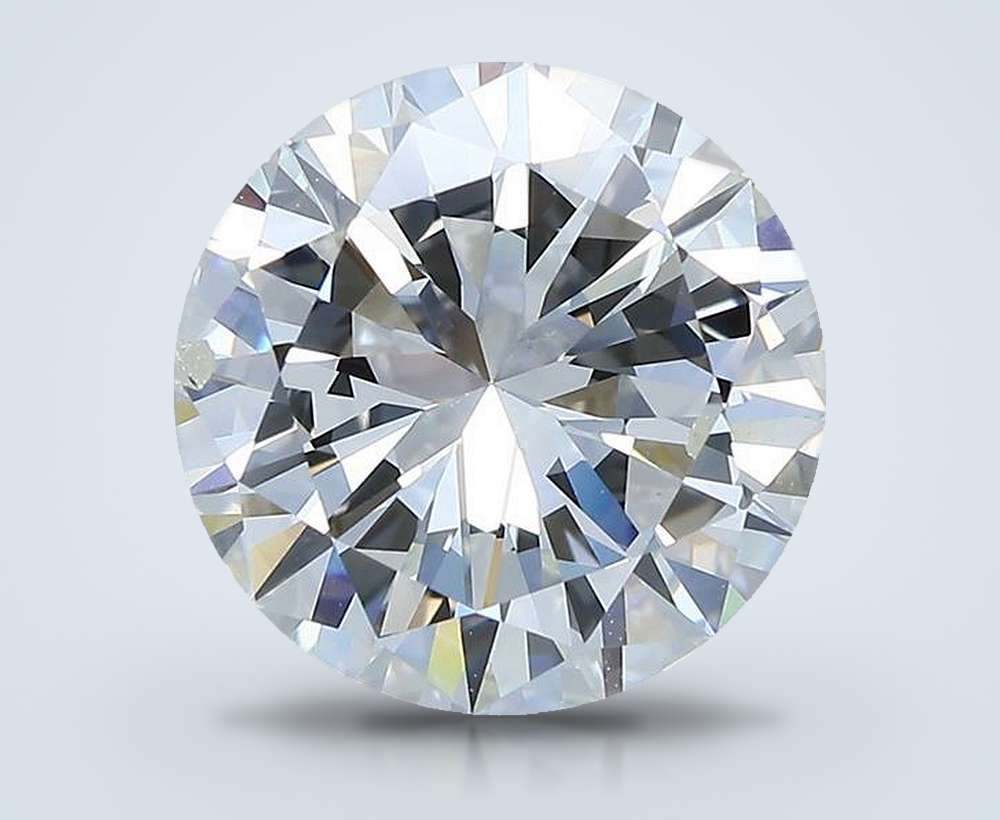
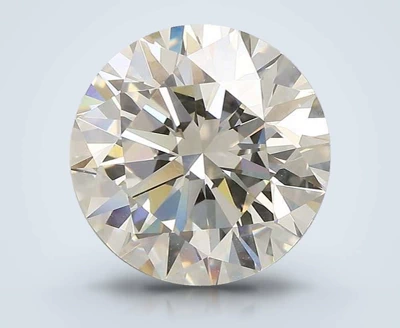
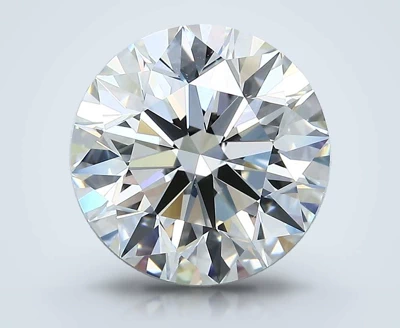
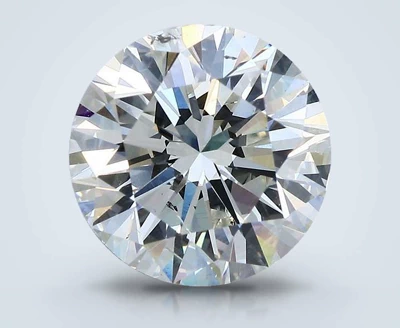
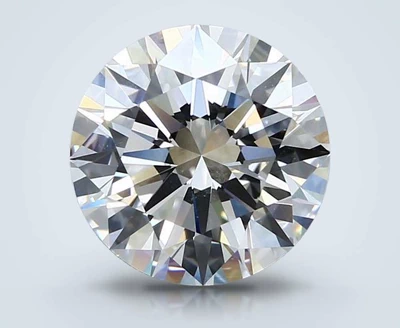
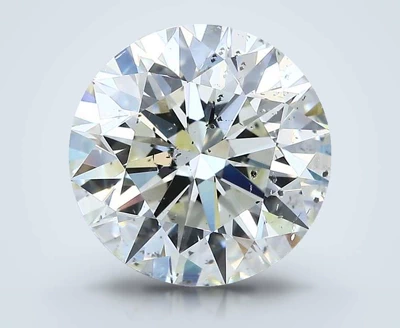
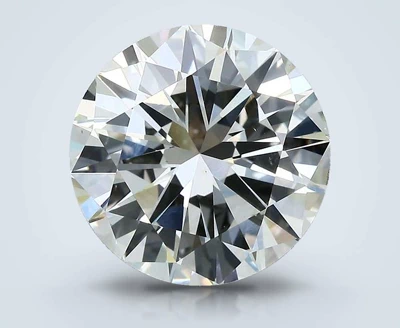
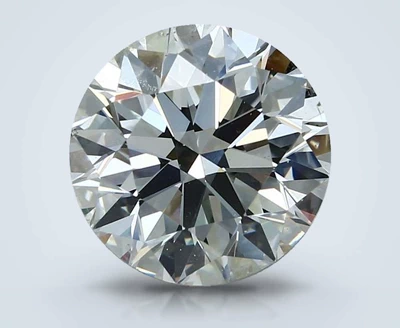
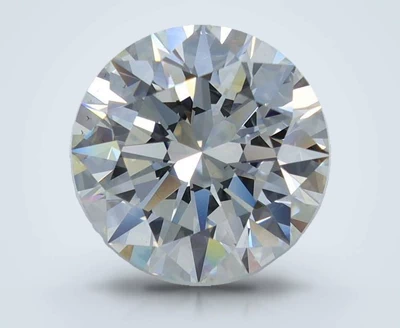
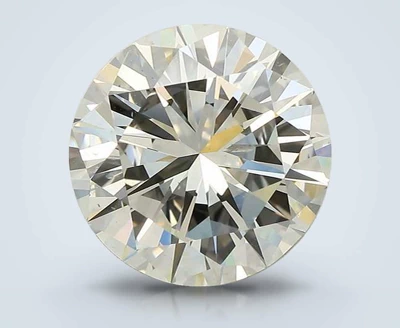
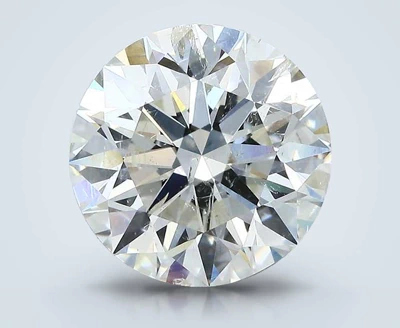
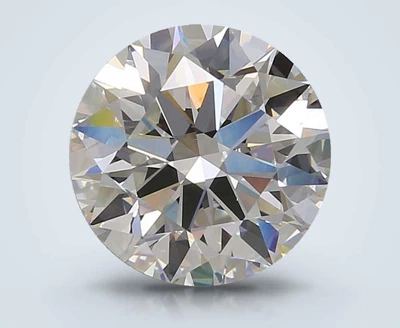
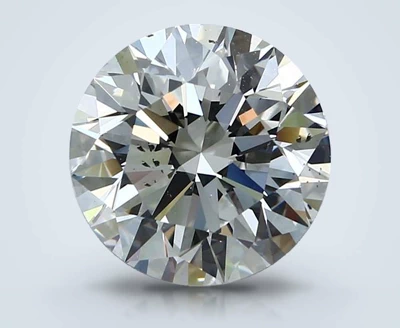
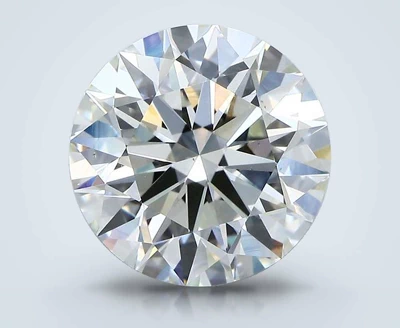
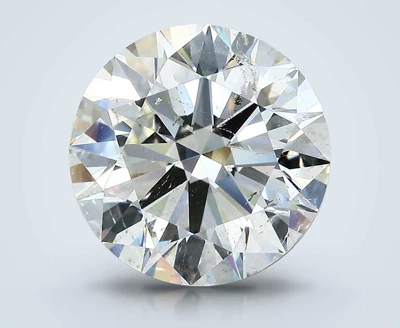
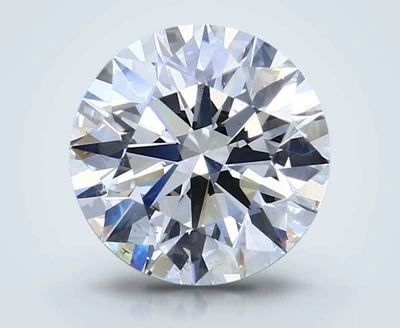
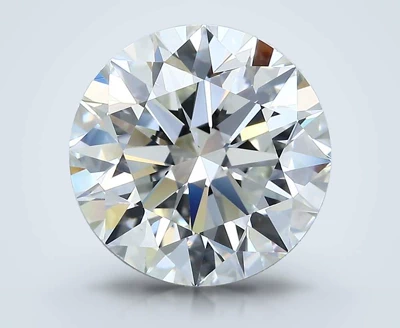
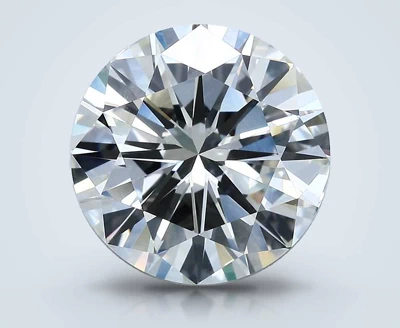
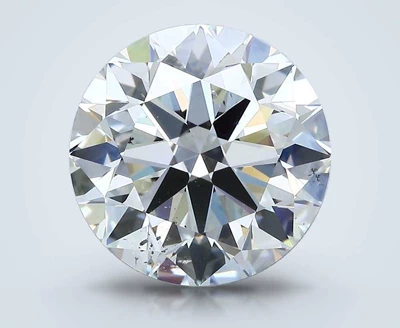
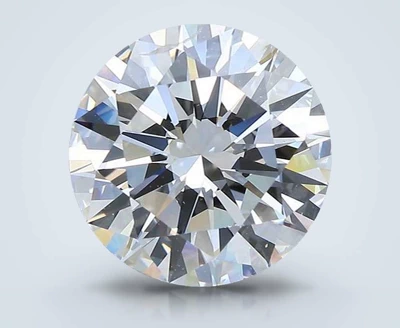
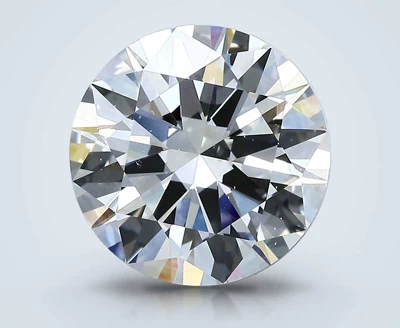
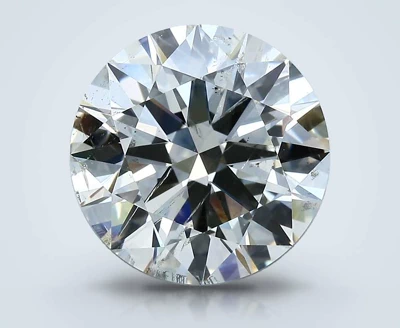
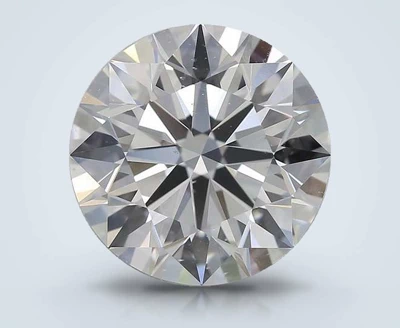
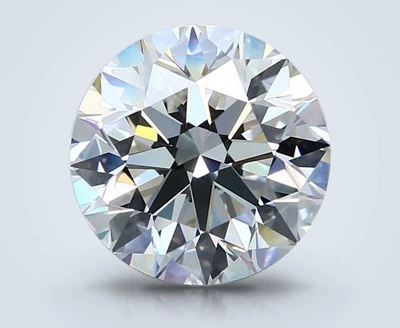
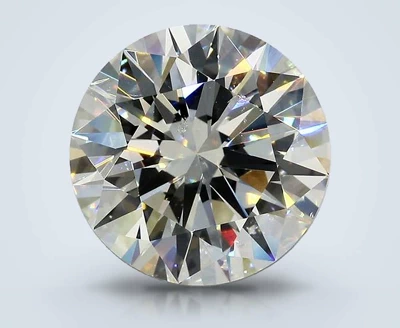
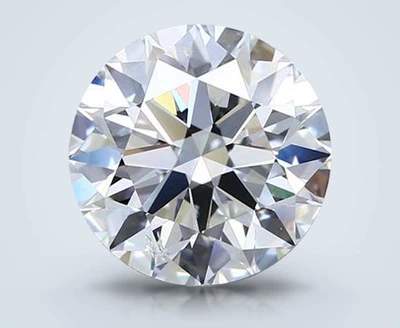
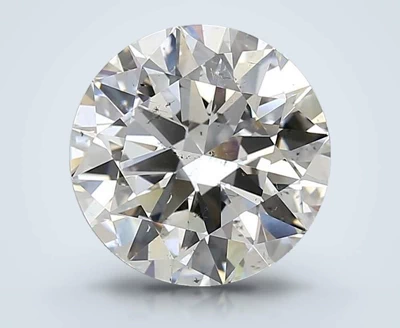
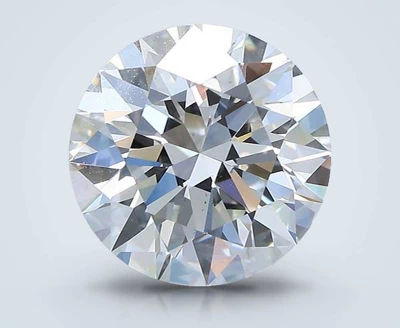
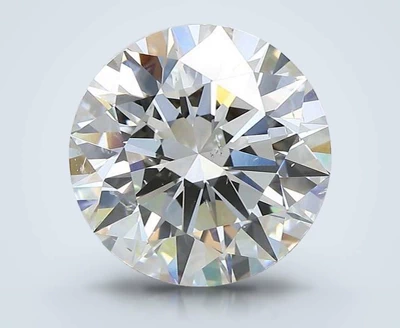
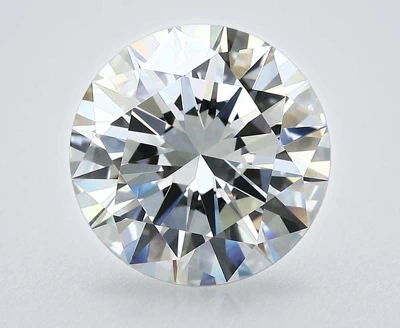
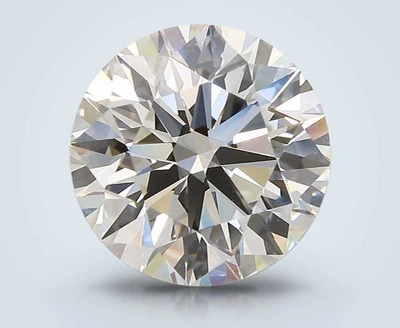
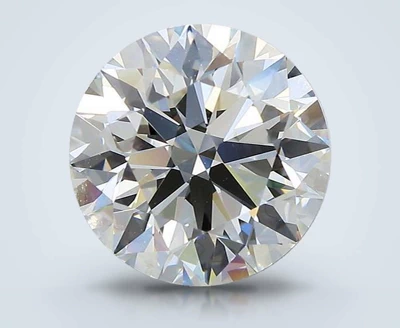
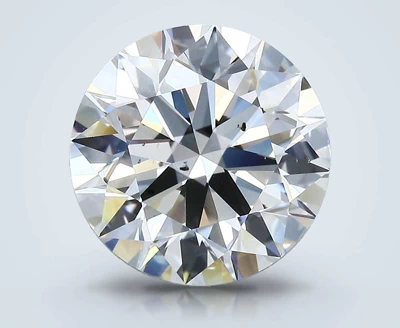
4 Carat Diamond Prices and Availability
A natural 4 carat diamond is a small, specific market, and the numbers behave like one. The grid above holds 57,551 diamonds between 3.90 and 4.10 carats, and only 1,668 of them are natural; the other 55,883 are lab grown. The natural stones start at $13,150 today, with the current savings applied; the median is $52,325, nine in ten are under $96,807, and the most expensive is $228,000. Rounds are 558 of the total, from $16,400 with a median of $51,388. The spread between the cheapest and the dearest 4 carat diamond here is about 17 to one, and almost all of it is color, clarity and fluorescence rather than size.
Because the stock is measured in hundreds, a single stone can shift a median by thousands, and a stone you shortlist on Monday can be gone by Friday. Treat the figures here, taken from Rare Carat inventory on October 16, 2026, as the shape of the market rather than a price list, and use the live grid above for the stones themselves. Counts include every natural stone in the band, with or without video (1,341 have 360 HD video), and every count and price covers the same set the grid shows (D to K color, FL to SI2 clarity, Good cut or better).
What Separates a $20,000 Four Carat Stone from a $100,000 One
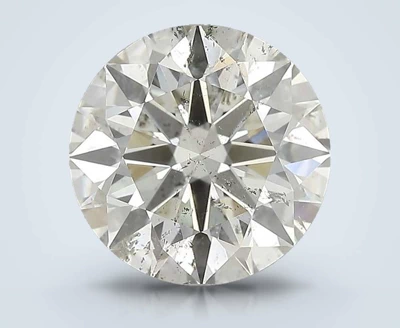
Color first. With clarity held at VS2 in rounds, J color starts at $25,570, I at $34,415, H at $44,505 and G at $48,180; F opens at $60,660 and the handful of D and E stones at $65,100 and up. At four carats the body of the stone is large enough that an I or J grade shows a warm cast in white metal, so H is the floor for platinum and I is a sound choice for yellow gold where the warmth disappears. Clarity second. In G to H color, SI2 starts at $25,730, SI1 at $44,305, VS2 at $44,505, VS1 at $46,945, VVS2 at $51,985 and VVS1 at $51,995. The SI2 discount is the largest single saving on this page and the one that most often disappoints, because a four carat table is a window and an SI2 inclusion usually sits in it. SI1 is a case by case decision made with the 360 video; VS2 is clean to the eye in nearly every stone.
Rounds, 3.90 to 4.10 ct: color at VS2 clarity (95 D to K rounds), and clarity at G to H color (148 rounds)
| Color | Starts at | Median | In stock | Clarity | Starts at (G to H) | In stock |
|---|
| D to E | $65,100 | $81,514 | 8 | IF | $82,930 | 1 |
| F | $60,660 | $83,610 | 13 | VVS1 | $51,995 | 11 |
| G | $48,180 | $74,939 | 15 | VVS2 | $51,985 | 17 |
| H | $44,505 | $68,651 | 13 | VS1 | $46,945 | 24 |
| I | $34,415 | $50,623 | 23 | VS2 | $44,505 | 28 |
| J | $25,570 | $42,652 | 17 | SI1 | $44,305 | 27 |
| K | $23,795 | $29,420 | 6 | SI2 | $25,730 | 40 |
| All D to K | $23,795 | | 95 | | | |
| | | | All G to H | $25,730 | 148 |
Fluorescence is the third lever and the one buyers forget. 383 of the 558 four carat rounds here have none; the rest carry faint to very strong. Medium or strong blue fluorescence in a colorless stone can make a large diamond look slightly milky in sunlight, and the market discounts it, sometimes heavily. In an H to J stone the same fluorescence is close to invisible and the discount is a gift. The fluorescence guide covers how to read it on the report, and our gemologists will tell you what a specific stone does in daylight.
Shapes at 4 Carats
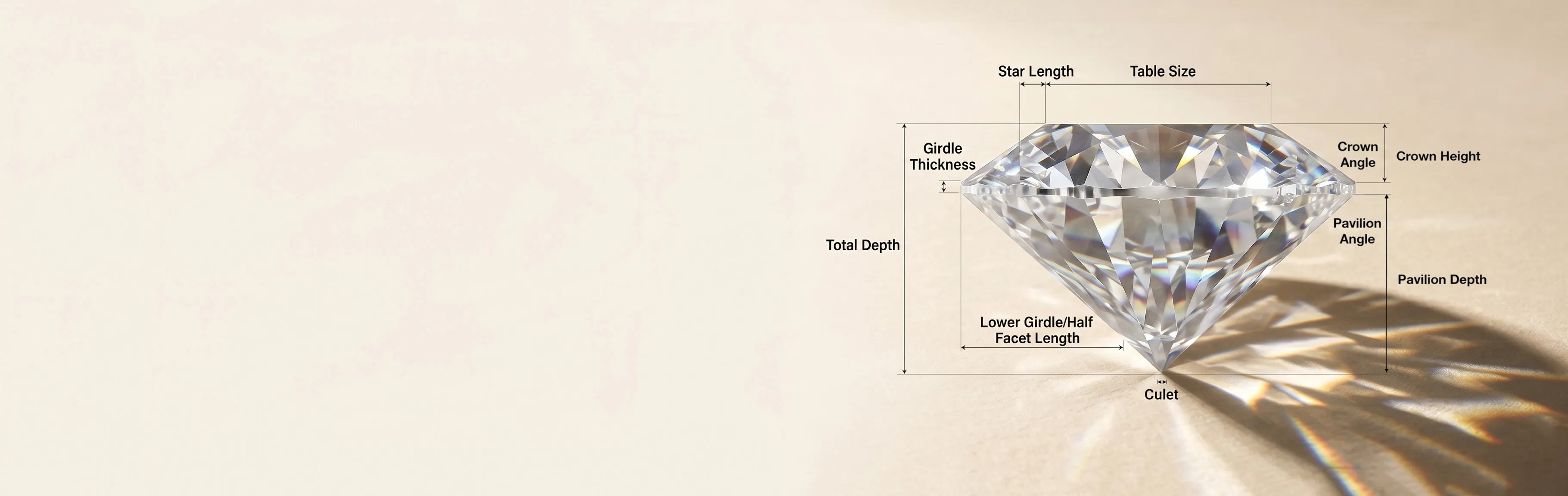
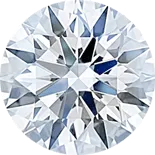
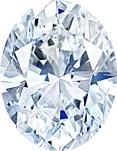
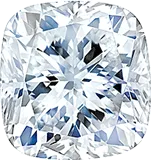
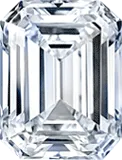
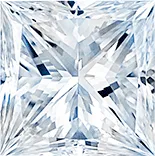
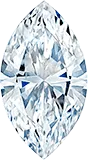
A 4 carat round measures about 10.2 to 10.4 mm, an oval roughly 12.5 by 9.5 mm, an emerald cut 10.5 by 8 mm and a pear close to 14 by 9.5 mm. Ovals are the second most stocked shape, the cheapest entry is a princess at $13,150, princess cuts have the lowest median at $37,215 and marquises the highest. The ten rows add up to the 1,668 natural stones on this page. At this width the ring itself becomes an engineering question: six prongs or a bezel, a band of 2.3 mm or more, and a setting that keeps the stone low enough to clear a glove.
3.90 to 4.10 ct natural, every stone the grid shows (D to K color, SI2 or better clarity, Good cut or better), prices you pay today
| Shape | Starts at | Median price | Typical face-up size | In stock |
|---|
| Round | $16,400 | $51,388 | 10.2 to 10.4 mm | 558 |
| Oval | $13,380 | $49,945 | 12.5 x 9.5 mm | 265 |
| Emerald | $15,325 | $55,472 | 10.5 x 8 mm | 176 |
| Cushion | $23,085 | $58,354 | 9.5 to 10 mm | 179 |
| Pear | $16,115 | $51,485 | 14 x 9.5 mm | 174 |
| Heart | $18,730 | $44,874 | 10.5 x 10.5 mm | 86 |
| Radiant | $23,810 | $53,886 | 10.5 x 8.5 mm | 88 |
| Princess | $13,150 | $37,215 | 9 mm square | 55 |
| Marquise | $15,875 | $64,236 | 16.5 x 8.5 mm | 53 |
| Asscher | $24,620 | $51,966 | 9 mm square | 34 |
| All shapes | $13,150 | $52,325 | | 1,668 |
4 Carat Natural vs 4 Carat Lab Grown
The lab grown market at four carats is about 34 times the size of the natural one, 55,883 stones against 1,668, and priced in a different order of magnitude. A natural G color VS1 round starts at $46,945 here, with 6 in stock; the lab grown stone of the same grade starts at $2,555. H color SI1 is $44,305 natural against $2,000 lab. The median natural four carat stone is $52,325 and the median lab grown one is $3,668. A buyer at this page is usually buying the natural stone on purpose, for its rarity, and the comparison is here so that the decision is made with the numbers in view. The 4 carat lab grown diamonds page has the other side in full.
Natural vs lab grown, 3.90 to 4.10 ct rounds
| Grade | Natural from | Natural in stock | Lab grown from | Lab grown in stock |
|---|
| G color, VS1 | $46,945 | 6 | $2,555 | 130 |
| G color, VS2 | $48,180 | 15 | $2,330 | 57 |
| H color, SI1 | $44,305 | 23 | $2,000 | 1 |
| All grades, all shapes | $13,150 | 1,668 | $1,780 | 55,883 |
Certificates and Inspection at This Price
1,391 of the 1,668 four carat natural diamonds at Rare Carat are GIA graded and 277 are IGI graded. For a natural stone at this level, GIA is the expectation, and the report should be read in full: color, clarity, cut grade, fluorescence, measurements and the plotted inclusions all matter more as the stone gets bigger. Every report number is laser inscribed on the girdle, and when you order, our New York staff examine the diamond under a microscope and confirm the inscription matches the report before it ships. The guide to checking a GIA report walks through verifying the number online, which is worth doing on any four carat stone before you commit.
The AI price score on each product page compares the stone with similar natural diamonds in stock and flags anything priced above its peers, and the quality score out of 18 weighs cut, color and clarity together. At four carats, where a single grade can be worth more than a car, those two numbers are the quickest way to spot a stone that is priced for its certificate rather than its beauty, or the reverse.
Timing and the Four Carat Mark
There were no G to H color, VS2 to SI1 rounds between 3.90 and 3.99 carats in stock on October 16, 2026, which says something about how stones at this size are cut: anything close to four carats is polished to clear the mark. In the 4.00 to 4.10 band those grades start at $44,305 with a median of $58,580; 4.11 to 4.29 opens at $53,050 and 4.50 to 4.59 carats at $68,070. Rather than hunting just under the mark, which rarely pays here, the saving at four carats comes from color and fluorescence. For the next step either way, see 3.5 carat diamonds and 5 carat diamonds.
Natural diamonds by carat band, all shapes: the first two rows are the 1,668 natural stones on this page
| Carat band | Starts at | Median | In stock |
|---|
| 3.90 to 3.99 ct | $21,110 | $48,410 | 52 |
| 4.00 to 4.10 ct | $13,150 | $52,254 | 1,616 |
| 4.11 to 4.29 ct | $23,080 | $63,285 | 180 |
| 4.50 to 4.59 ct | $16,755 | $55,101 | 253 |
Buying a 4 Carat Diamond at Rare Carat
Rare Carat is the merchant of record on every order and stocks more than 2 million natural and lab grown diamonds. Our gemologists will go through a shortlist with you by chat or phone, look at the fluorescence and the inclusion plot on each stone and tell you plainly which one they would buy; they earn no commission on the answer. The stone ships free and fully insured; returns are free for 30 days; resizing is free for the first year; and the ring carries a lifetime manufacturing warranty. Financing through Affirm, Klarna, Afterpay, PayPal Pay Later or Katapult can be selected at checkout. Customers have given Rare Carat 5 out of 5 on Google and on Trustpilot, where it is the highest rated jewelry brand in America.
Counts and prices cover every natural diamond between 3.90 and 4.10 carats in Rare Carat inventory on October 16, 2026 that the grid on this page shows: all shapes, D to K color, FL to SI2 clarity, Good cut or better, GIA, IGI or GCAL graded, with or without video (1,668 stones, 1,341 with 360 HD video). All prices are what you pay today after the current savings; regular prices are struck through on each product page. The starting price in each group is its lowest priced stone. The grid total of 57,551 adds the 55,883 lab grown stones in the same band. Lab grown comparisons use the same day and basis. Small groups move quickly at this size, so medians can change with a single sale.