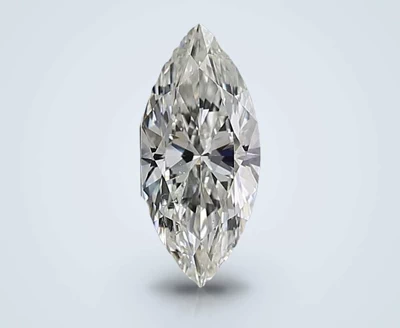
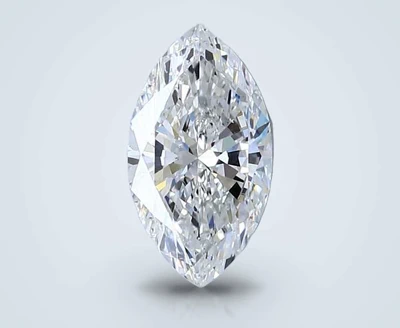
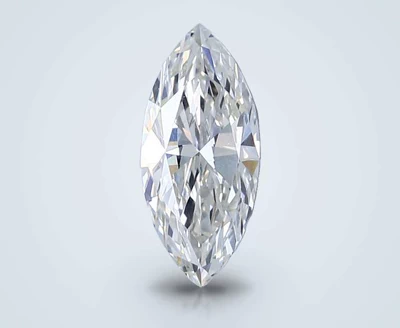
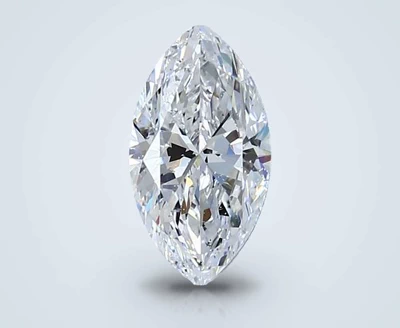
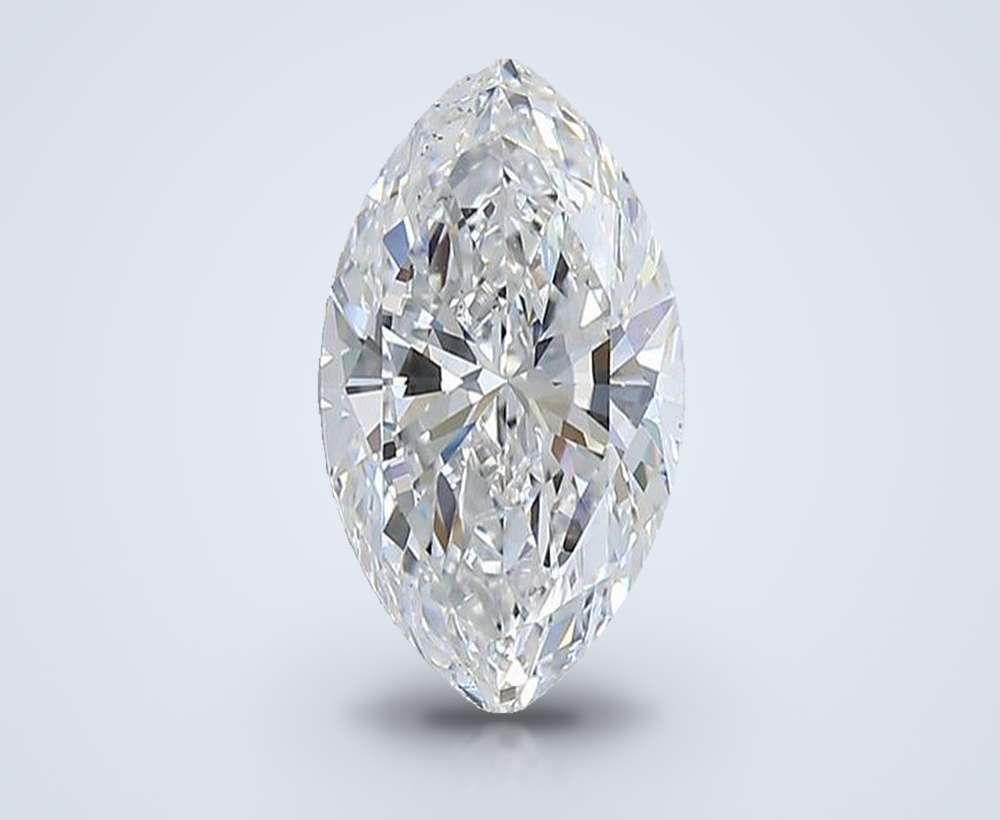
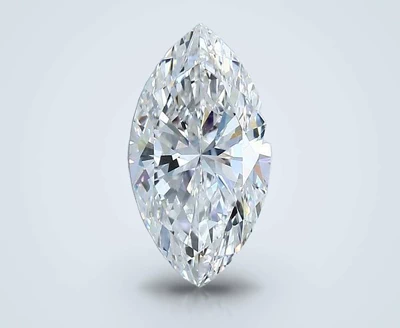
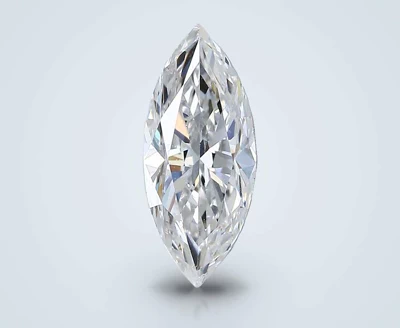
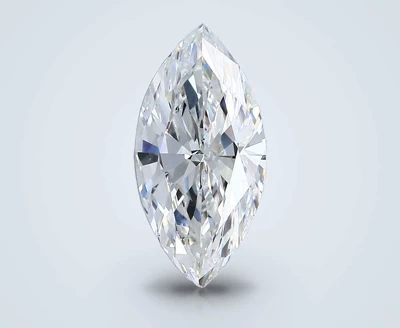
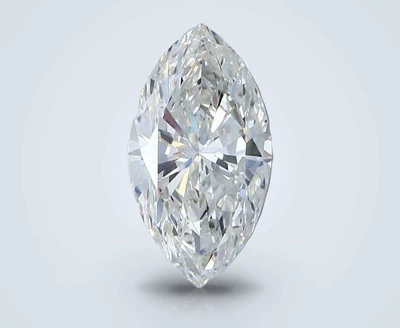
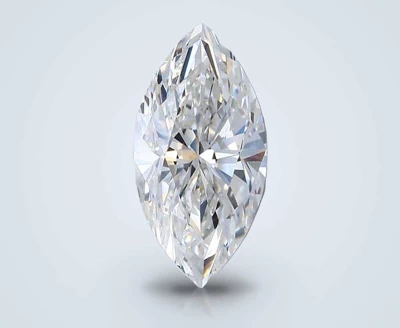
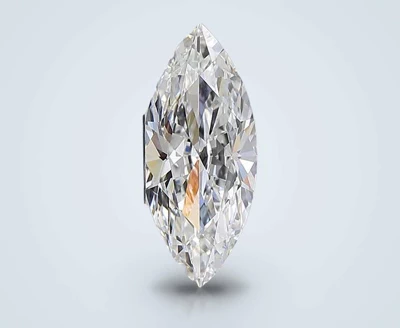
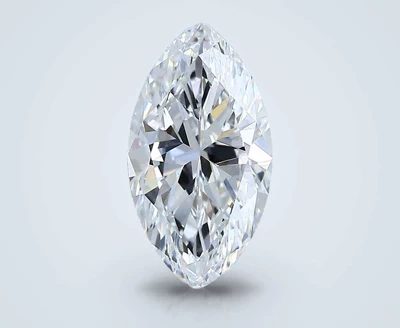
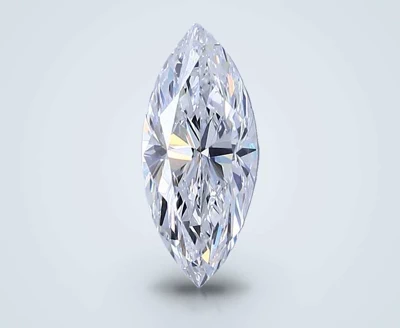
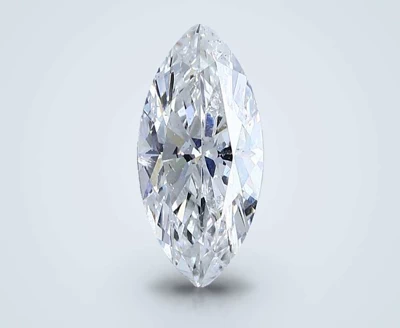
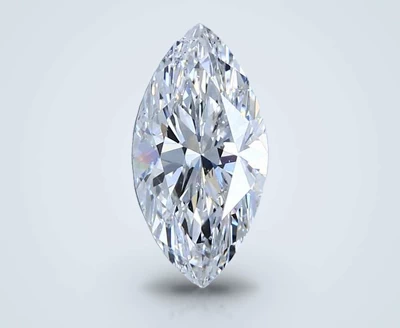
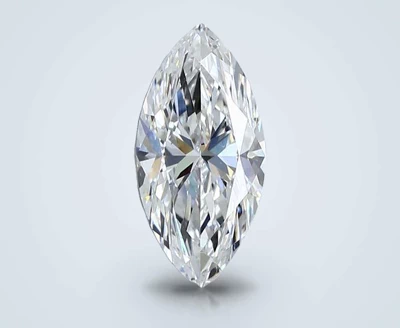
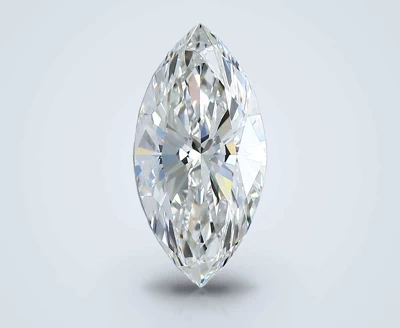
Marquise Cut Diamonds: The Most Finger for the Carat
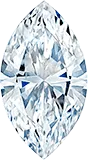
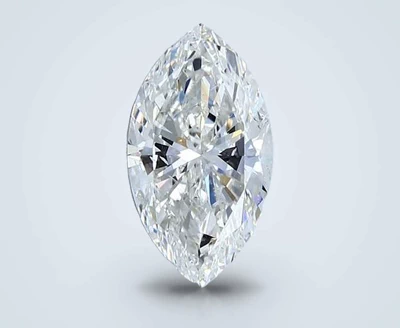
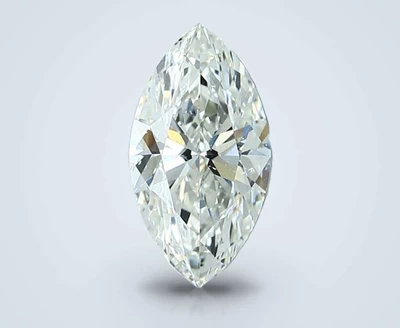
No shape spreads its weight across more skin than a marquise. A one carat marquise measures about 10 by 5 mm, against 6.5 mm for a round, which is why the shape has come back in a market that prizes size per dollar. Rare Carat has 138,064 marquise cut diamonds in stock today (every carat weight), 36,522 natural and 101,542 lab grown. Natural marquise diamonds start at $150 and lab grown at $130 with the current savings applied; in the one carat band the medians are $2,746 natural and $674 lab, against $2,834 and $464 for rounds of the same weight. Numbers are taken from inventory on October 17, 2026 and refreshed regularly.
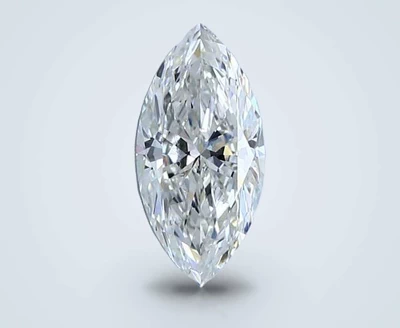
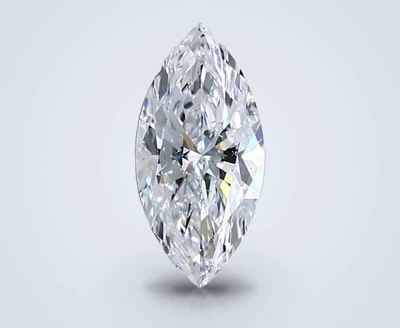
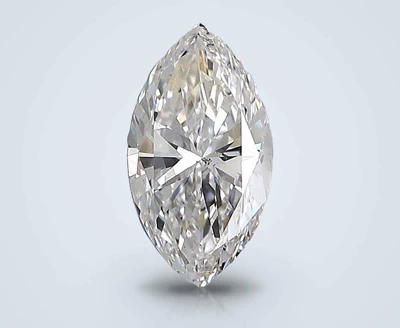
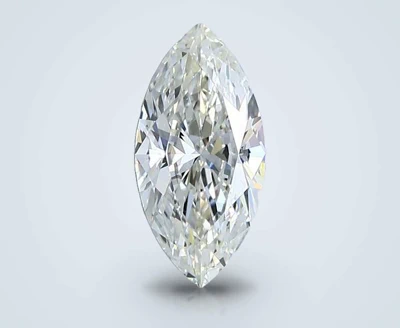
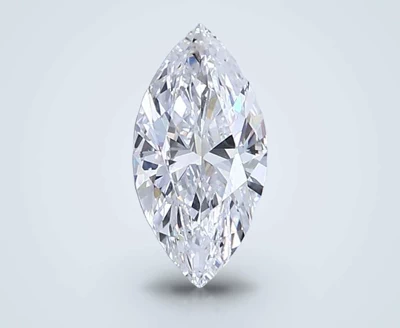
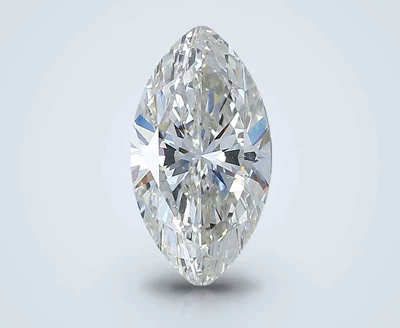
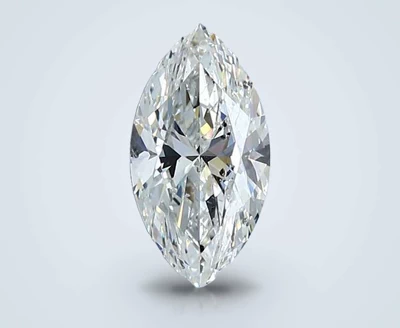
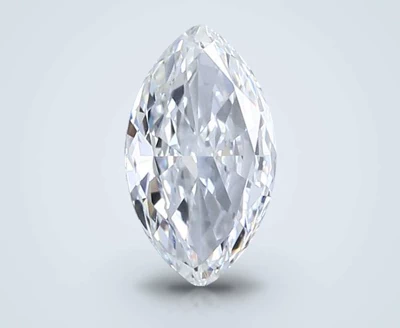
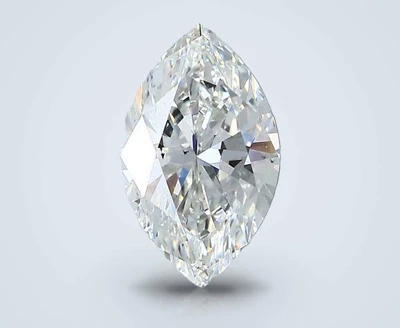
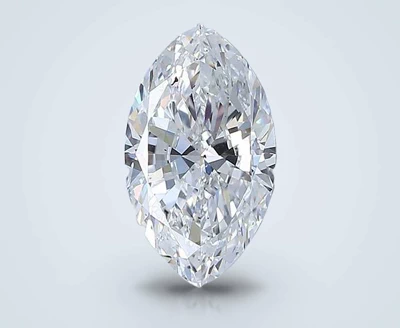
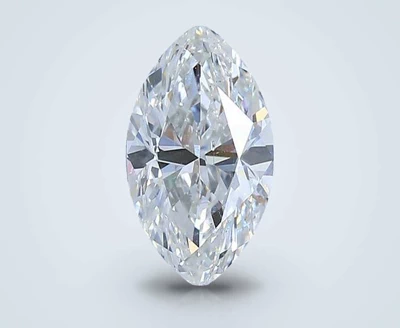
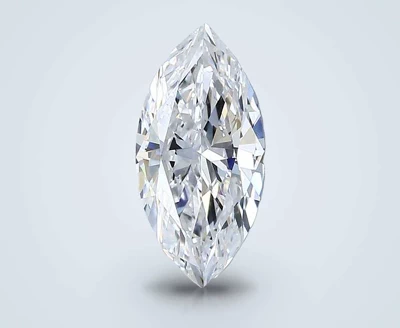
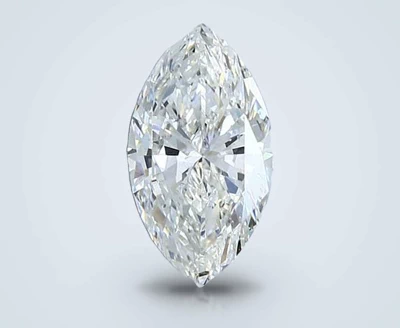
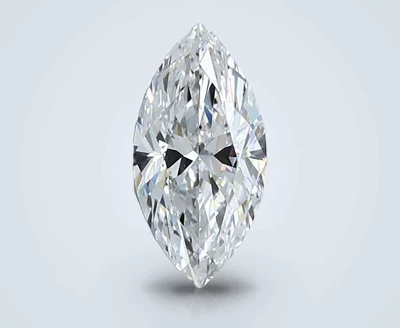
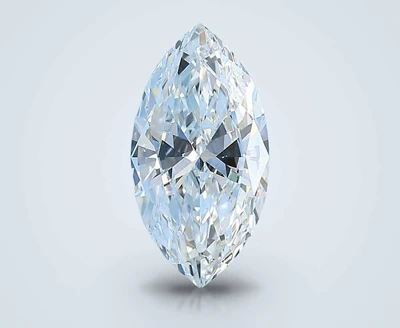
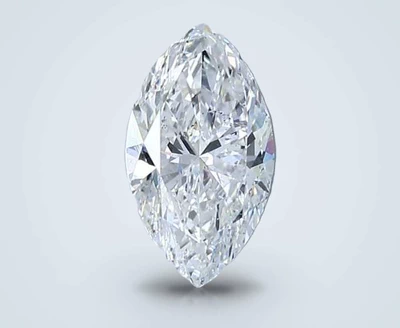
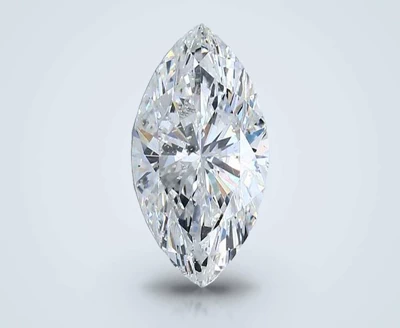
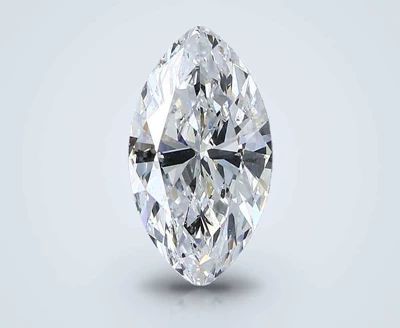
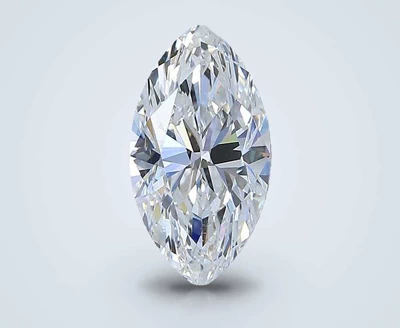
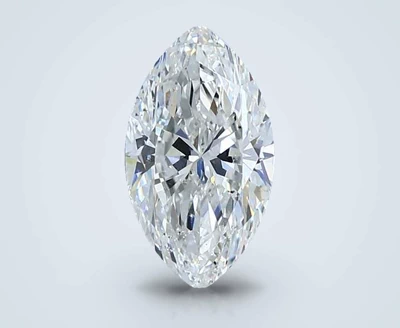
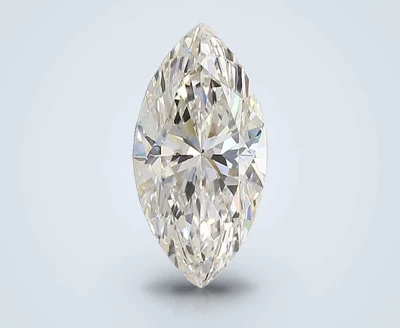
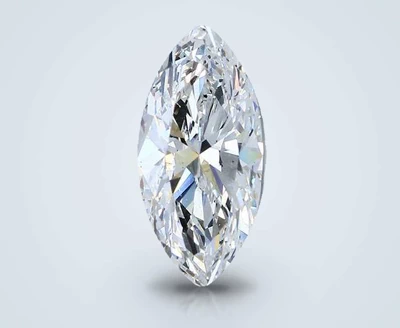
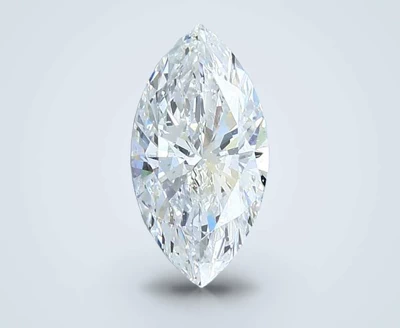
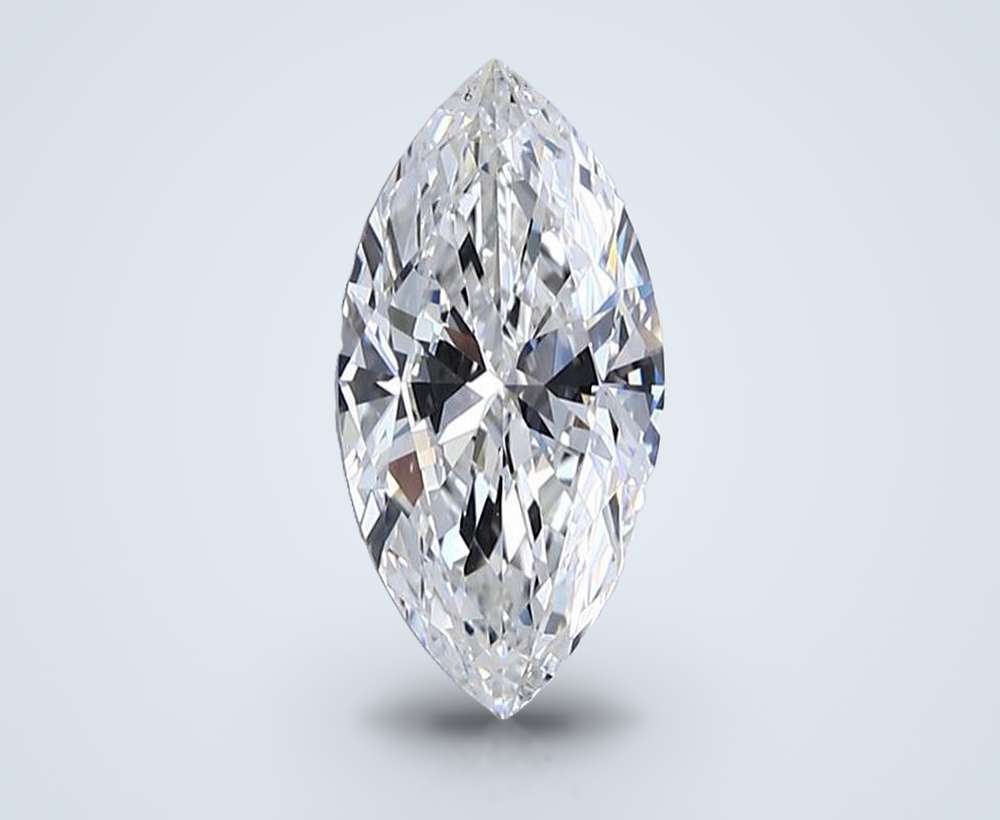
The marquise has two things to get right that a round does not: the length to width ratio, which decides whether it looks like a slender leaf or a wide football, and the symmetry of the two points, which no grading report scores. Both are visible in the 360 HD video on each stone, and both are covered below before the price tables.
Ratio: Wide, Classic or Narrow
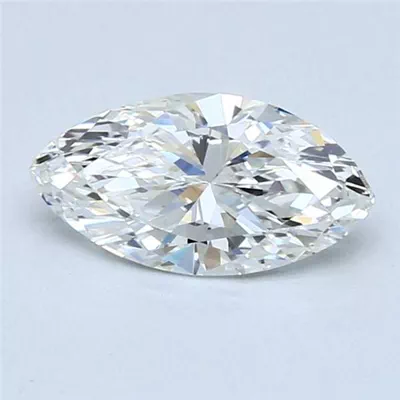
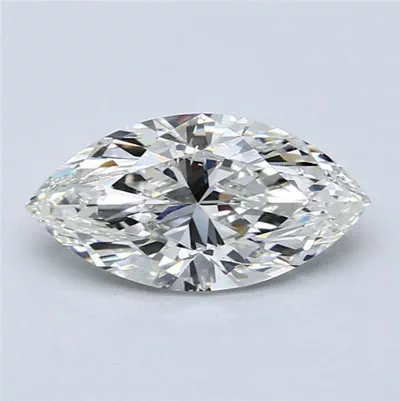
The classic marquise ratio is 1.95 to 2.15, roughly twice as long as it is wide; below 1.75 the stone looks wide and a little flat, above 2.15 it becomes a narrow sliver that needs a very symmetrical cut to avoid a bow tie. Of the natural marquise diamonds here, 5,809 fall in the classic range and 27,283 in the slightly wider 1.75 to 1.94 range; lab grown stock concentrates at 63,548 classic and 35,589 wider. The ratio tables show that the market does not pay a premium for any one range, so choose on the setting: a narrower stone for a north south solitaire, a wider one for an east west band.
Marquise diamonds by length to width ratio (October 17, 2026)
| Ratio | Natural in stock | Natural from | Natural median |
|---|
| Under 1.75 (wide) | 629 | $150 | $642 |
| 1.75 to 1.94 | 27,283 | $150 | $454 |
| 1.95 to 2.14 (classic) | 5,809 | $150 | $720 |
| 2.15 and over (narrow) | 2,801 | $155 | $594 |
| All natural marquise | 36,522 | $150 | $494 |
| Ratio | Lab grown in stock | Lab grown from | Lab grown median |
|---|
| Under 1.75 (wide) | 105 | $130 | $600 |
| 1.75 to 1.94 | 35,589 | $130 | $1,648 |
| 1.95 to 2.14 (classic) | 63,548 | $130 | $1,690 |
| 2.15 and over (narrow) | 2,300 | $130 | $929 |
| All lab grown marquise | 101,542 | $130 | $1,656 |
The bow tie, a dark band across the center where the pavilion fails to return light, appears in most marquise diamonds to some degree. In a well cut stone it flickers as the stone turns; in a badly cut one it sits fixed and black. It is not on the report, which is why video matters more for a marquise than for any shape except the oval. Points are the other check: both should align on the long axis and neither should be chipped, and a V prong or a six prong setting keeps them safe once the ring is on.
Natural Marquise Prices by Carat
A natural marquise is one of the cheaper ways to buy natural carats because the long outline keeps more of an elongated rough crystal, and the price curve shows it: medians of $2,746 at one carat, $15,839 at two and $37,565 at three, with 2,532, 643 and 213 stones in those bands. Because this page starts at 0.00 carats, the first row below is the under 0.50 ct band.
Natural marquise cut diamonds by carat band, prices you pay today (36,522 stones, October 17, 2026)
| Carat band | Starts at | Median | In stock |
|---|
| under 0.50 ct | $150 | $375 | 22,499 |
| 0.50 to 0.89 ct | $325 | $847 | 8,472 |
| 0.90 to 1.10 ct | $770 | $2,746 | 2,532 |
| 1.11 to 1.49 ct | $1,005 | $4,439 | 807 |
| 1.50 to 1.89 ct | $2,310 | $8,281 | 965 |
| 1.90 to 2.10 ct | $4,050 | $15,839 | 643 |
| 2.11 to 2.89 ct | $7,890 | $23,296 | 192 |
| 2.90 to 3.10 ct | $8,605 | $37,565 | 213 |
| 3.11 to 3.89 ct | $14,385 | $43,791 | 74 |
| 3.90 to 4.10 ct | $15,875 | $64,236 | 53 |
| 4.11 ct and up | $25,575 | $113,448 | 72 |
| All natural marquise | $150 | $494 | 36,522 |
Lab Grown Marquise Prices by Carat
Lab marquise diamonds are 101,542 of the stones here, and the lab curve is where the shape's size advantage compounds: a two carat lab marquise, about 13 by 6.5 mm on the finger, has a median of $1,588, and a three carat one $2,753. The deepest band is 1.90 to 2.10 ct. A lab marquise at two carats costs about a tenth of the natural median at the same weight.
Lab grown marquises by carat band, prices you pay today (101,542 stones, October 17, 2026)
| Carat band | Starts at | Median | In stock |
|---|
| under 0.50 ct | $130 | $167 | 2,283 |
| 0.50 to 0.89 ct | $160 | $259 | 3,170 |
| 0.90 to 1.10 ct | $425 | $674 | 17,587 |
| 1.11 to 1.49 ct | $570 | $934 | 6,166 |
| 1.50 to 1.89 ct | $880 | $1,214 | 15,791 |
| 1.90 to 2.10 ct | $1,100 | $1,588 | 21,307 |
| 2.11 to 2.89 ct | $1,365 | $2,407 | 8,728 |
| 2.90 to 3.10 ct | $1,980 | $2,753 | 14,318 |
| 3.11 to 3.89 ct | $2,080 | $3,664 | 2,447 |
| 3.90 to 4.10 ct | $2,520 | $3,791 | 3,786 |
| 4.11 ct and up | $2,830 | $5,498 | 5,959 |
| All lab grown marquise | $130 | $1,656 | 101,542 |
Color at the Points, Clarity in the Middle
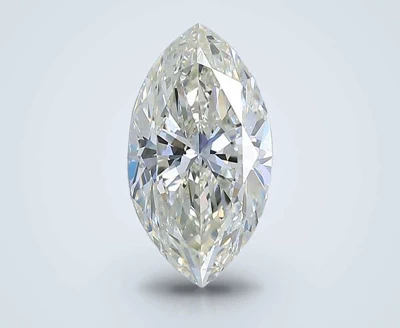
A marquise concentrates color at its two points, so warmth shows there first; G is the sensible floor for white metal and H for yellow gold. With clarity at VS2 in one carat natural marquise diamonds, G starts at $2,905, H at $1,995 and I at $1,395, against $2,715 for D. Clarity is more forgiving, because the brilliant faceting breaks up inclusions, with the one exception of the center of the table, where the bow tie region can make a dark inclusion look larger; in G to H color, SI1 starts at $1,570, VS2 at $1,995 and VS1 at $2,145. Lab marquise diamonds are colorless almost by default (17,262 of the 17,537 on the one carat ladder are D to F), and VS1 among D to F lab stones starts at $425.
Natural marquise, 0.90 to 1.10 ct: starting price by color at VS2 clarity (359 stones) and by clarity at G to H color (621 stones)
| Color | Starts at | In stock |
|---|
| D | $2,715 | 69 |
| E | $2,670 | 30 |
| F | $1,825 | 38 |
| G | $2,905 | 40 |
| H | $1,995 | 37 |
| I | $1,395 | 45 |
| J | $1,305 | 73 |
| K | $1,275 | 27 |
| All D to K | $1,275 | 359 |
| Clarity | Starts at | In stock |
|---|
| SI2 | $955 | 260 |
| SI1 | $1,570 | 131 |
| VS2 | $1,995 | 77 |
| VS1 | $2,145 | 61 |
| VVS2 | $2,040 | 41 |
| VVS1 | $2,460 | 28 |
| IF | $3,010 | 23 |
| FL | n/a | 0 |
| All FL to SI2 | $955 | 621 |
Marquise vs Round, Natural vs Lab
At the same one carat G VS1 grade, a natural marquise starts at $2,145 here and a natural round at $1,475; the lab grown marquise of that grade is $440. 30,946 of the natural marquise diamonds are GIA graded, 25,458 have no fluorescence, and lab stones carry mostly IGI reports (100,516 of 101,542). The 1 carat marquise cut diamonds and 1 carat marquise cut lab grown diamonds pages continue the comparison at the weight most people buy.
Marquise cut, 0.90 to 1.10 ct, same grade
| Grade | Natural marquise from | Natural round from | Lab grown marquise from |
|---|
| G color, VS1 | $2,145 | $1,475 | $440 |
| H color, SI1 | $1,570 | $1,075 | none in stock |
| E color, VVS2 | $3,015 | $1,985 | $485 |
| All grades, 0.90 to 1.10 ct | $770 | $595 | $425 |
Buying a Marquise at Rare Carat
Check three things on the video before anything else: the bow tie as the stone turns, the alignment of the two points, and the color at the tips against the body. Then read the AI price score, which compares the stone with similar marquise diamonds in stock and flags anything priced above its peers, and the quality score out of 18. The Rare Carat Ideal filter keeps only the proportions that return the most light. Our gemologists will compare finalists with you by chat or phone and earn no commission on which one you choose.
Each order is placed with Rare Carat as merchant of record, from a stock of more than 2 million natural and lab grown diamonds. After you order, the stone goes to our New York facility, where staff examine it under a microscope, check both points, and confirm the laser inscription matches the report. Shipping is free and insured, you have 30 days to return it free, resizing is free in the first year, and every ring carries a lifetime manufacturing warranty. Checkout offers Affirm, Klarna, Afterpay, PayPal Pay Later and Katapult. Google and Trustpilot both rate Rare Carat 5 out of 5, and on Trustpilot it is the highest rated jewelry brand in America.
Counts and prices cover every marquise diamond in Rare Carat inventory on October 17, 2026 that the grid on this page shows, every carat weight: D to K color, FL to SI2 clarity, Good cut or better, GIA, IGI or GCAL graded, with or without video; 36,522 natural (23,829 with 360 HD video) and 101,542 lab grown (87,565 with 360 HD video). Each price is today's price with the savings taken off; regular prices appear struck through on every stone. The starting price in each group is its cheapest stone, whatever the grade or weight. The color and clarity ladders are limited to 0.90 to 1.10 carats so that grade, not weight, is what moves the price. The round figures quoted for comparison come from the same day, basis and carat band.