Heart Shaped Diamonds: What Symmetry Costs
Rare Carat has 75,262 heart diamonds in stock today, 25,353 natural and 49,909 lab grown. A natural heart starts at $200 and a lab heart at $130 with the current savings applied; in the 0.90 to 1.10 carat band the medians are $1,885 natural and $597 lab grown. The heart is the hardest shape to cut well, because two lobes, a cleft and a point all have to agree with each other and with the center line, and it is the one shape whose outline stops reading correctly below about half a carat, which is why most hearts are bought at one carat and up. The figures here come from inventory on October 17, 2026 and are refreshed regularly.
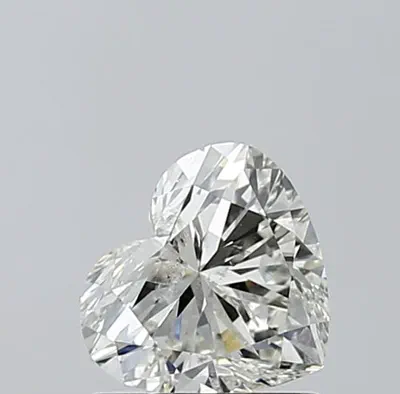
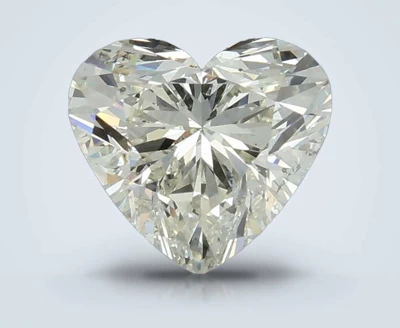
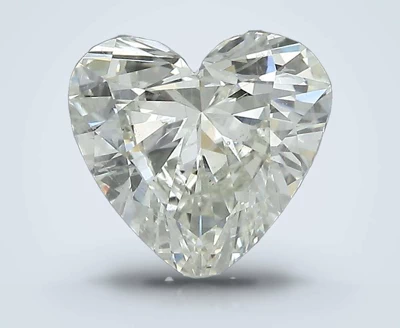
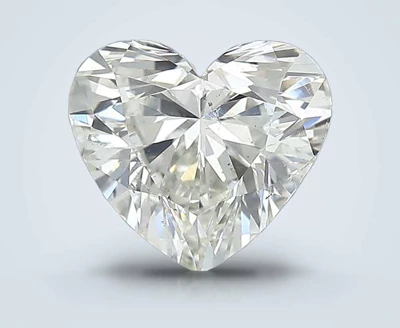
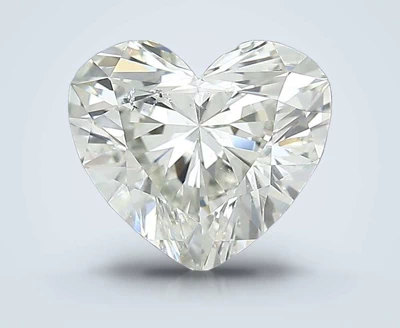
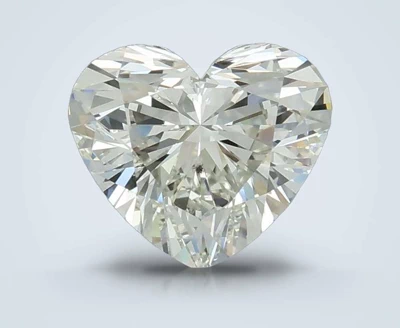
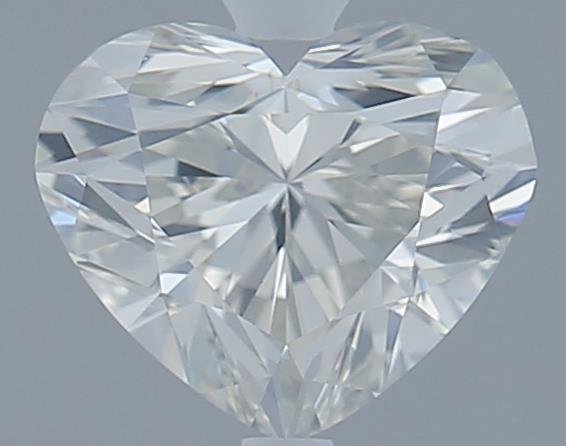
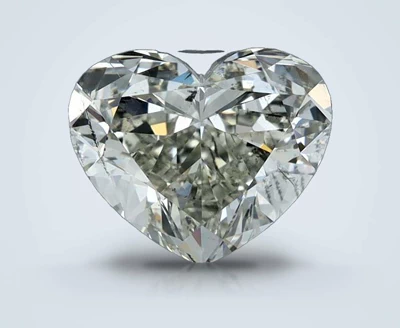
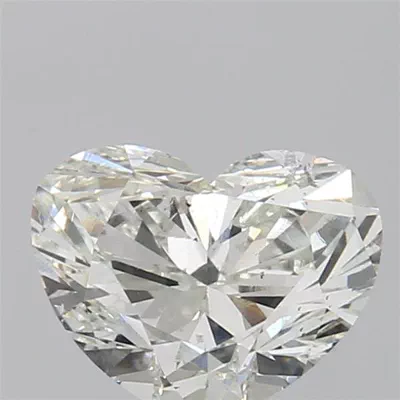
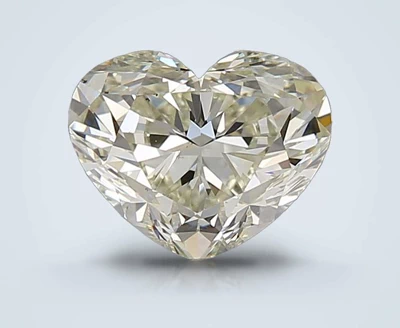
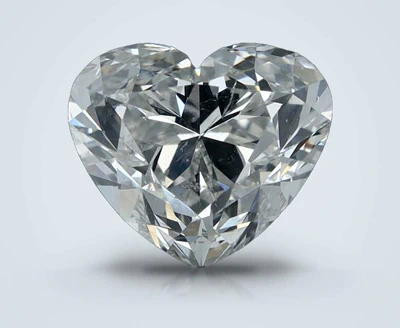
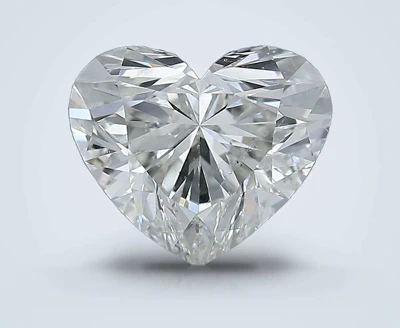
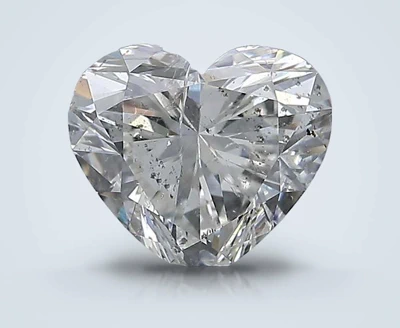
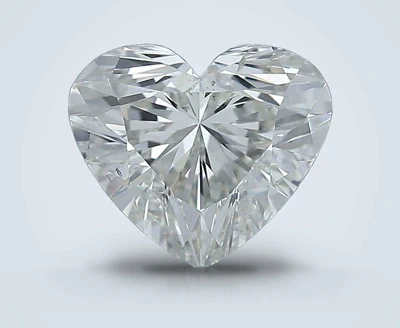
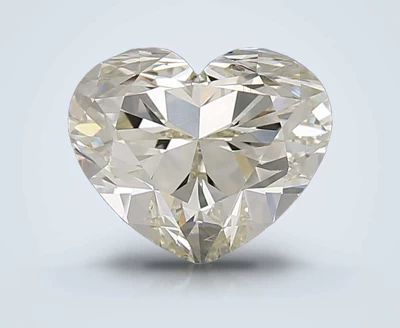
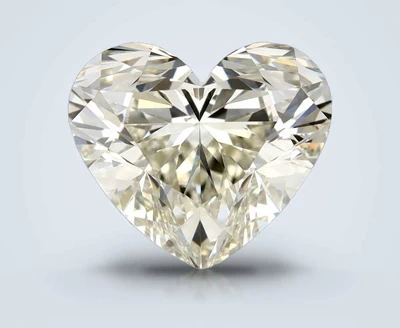
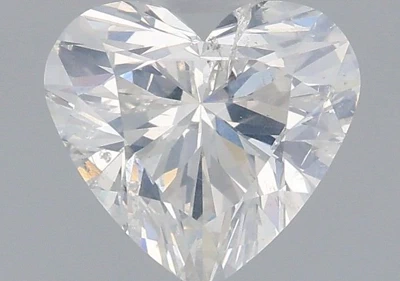
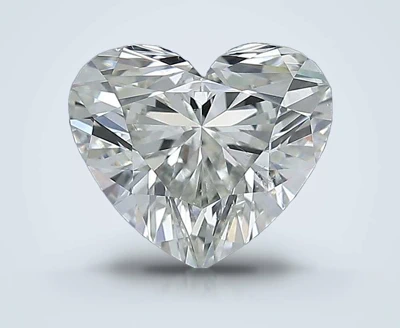
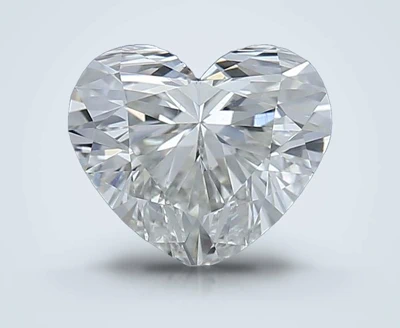
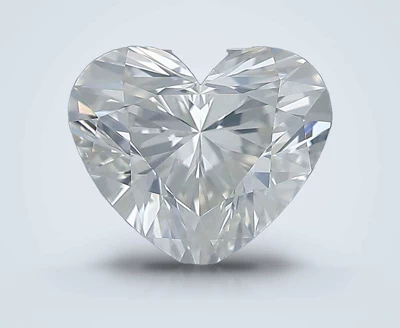
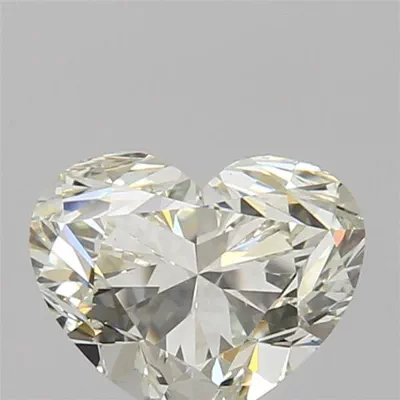
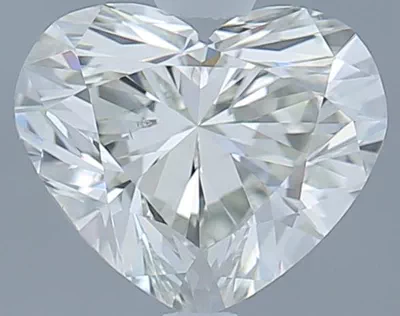
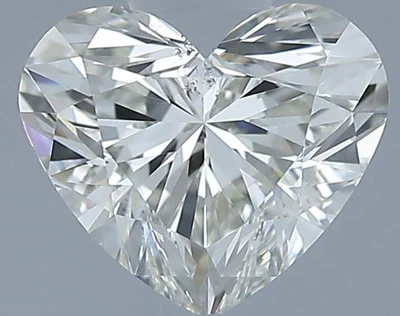
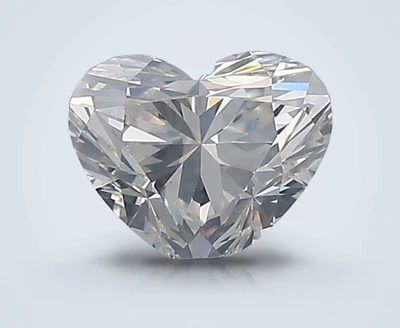
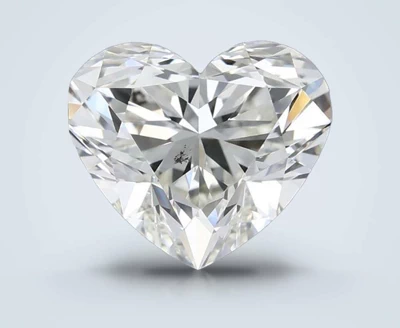
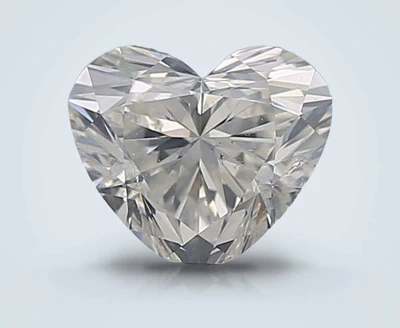
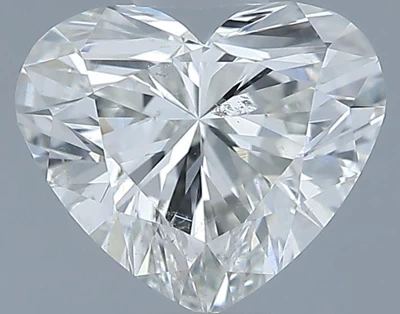
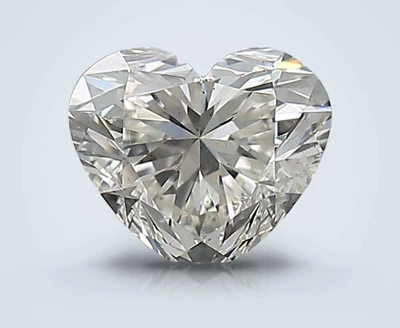
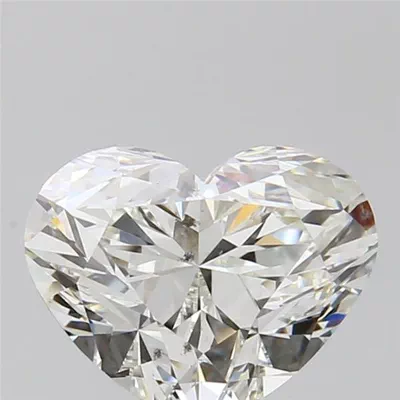
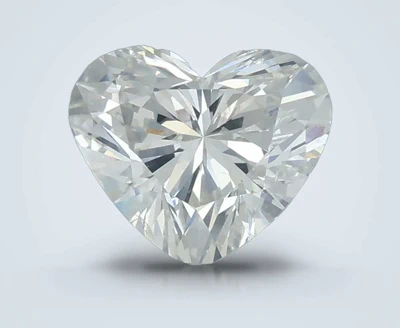
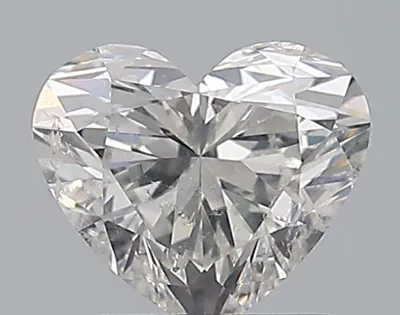
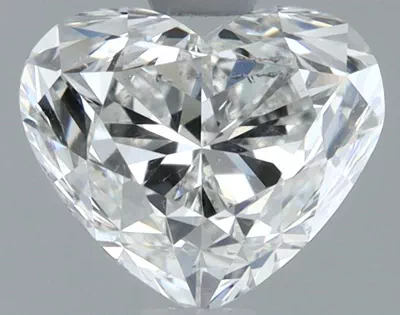
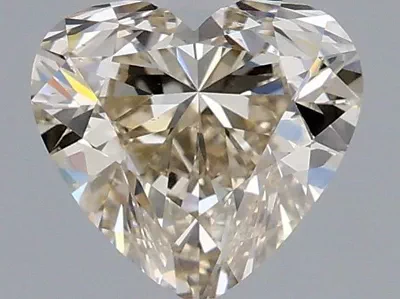
No laboratory grades the outline of a heart. GIA and IGI report polish and symmetry of the facets, not whether the lobes are the same height or the cleft is deep enough to be seen across a room. That judgment is yours, and it is made on the 360 HD video: pause the stone face up, fold it in your mind along the line from cleft to point, and the two halves should match. A heart with even lobes, a clear cleft and a sharp point is rarer than its grading report suggests and worth paying a little more for.
Wide, Classic or Tall: The Ratio of a Heart
A heart should look about as wide as it is long, and the way the laboratories measure it (length from cleft to point, width across the lobes) most hearts come out a little wider than they are long. Between 0.85 and 0.94 the outline is the classic valentine, and 76 percent of the natural hearts and 88 percent of the lab hearts here sit in that range; under 0.85 the heart is wide and squat, with lobes that dominate; at 0.95 and over it is tall and begins to read as a pear with a notch. The price barely moves with the ratio at the same grade. Wider hearts tend to show the cleft better; taller hearts cover more finger and can lose the cleft, so check it on the video before choosing one.
Hearts by length to width ratio (October 17, 2026)
| Ratio | Natural in stock | Natural from | Natural median |
|---|
| Wide (under 0.85) | 4,915 | $200 | $693 |
| Classic (0.85 to 0.94) | 19,352 | $245 | $793 |
| Tall (0.95 and over) | 1,086 | $230 | $607 |
| All natural hearts | 25,353 | $200 | $765 |
| Ratio | Lab grown in stock | Lab grown from | Lab grown median |
|---|
| Wide (under 0.85) | 1,736 | $130 | $1,090 |
| Classic (0.85 to 0.94) | 44,122 | $130 | $1,113 |
| Tall (0.95 and over) | 4,051 | $130 | $915 |
| All lab grown hearts | 49,909 | $130 | $1,100 |
Natural Heart Diamond Prices by Carat
Natural hearts are a small market: 4,755 stones between 0.90 and 1.10 carats with a median of $1,885, 884 between 1.90 and 2.10 carats with a median of $9,433, and 251 between 2.90 and 3.10 carats with a median of $26,603. Per carat a natural heart is priced below a natural round and close to a pear, because the cutter keeps more of the rough, but a well proportioned heart with a deep cleft sacrifices weight and often costs more than a poorly shaped one of the same grade. The 0.50 to 0.89 carat band, 9,219 stones from $315, is the natural choice for a pendant, where the heart outline reads clearly even at the smaller sizes.
Natural heart diamonds by carat band, prices you pay today (25,353 stones, October 17, 2026)
| Carat band | Starts at | Median | In stock |
|---|
| under 0.50 ct | $200 | $422 | 6,904 |
| 0.50 to 0.89 ct | $315 | $669 | 9,219 |
| 0.90 to 1.10 ct | $655 | $1,885 | 4,755 |
| 1.11 to 1.49 ct | $1,170 | $3,175 | 653 |
| 1.50 to 1.89 ct | $1,690 | $5,291 | 2,072 |
| 1.90 to 2.10 ct | $2,925 | $9,433 | 884 |
| 2.11 to 2.89 ct | $3,820 | $15,334 | 291 |
| 2.90 to 3.10 ct | $7,810 | $26,603 | 251 |
| 3.11 to 3.89 ct | $16,420 | $33,353 | 75 |
| 3.90 to 4.10 ct | $18,730 | $46,220 | 86 |
| 4.11 ct and up | $21,975 | $100,940 | 163 |
| All natural hearts | $200 | $765 | 25,353 |
Lab Grown Heart Diamond Prices by Carat
Lab hearts are 49,909 of the stones on this page, and the deepest band is 0.90 to 1.10 ct with 13,997 stones. Medians run $597 at one carat, $1,596 at two and $2,954 at three. Because the shape depends on size to look like a heart, the lab grown market is where most hearts above one carat are bought: a two carat lab heart, about 8.5 x 8 mm, costs less than a one carat natural one, and the cleft and lobes are easier to judge on a larger stone. With this many lab hearts in stock you can hold color and clarity fixed and still compare dozens of outlines on video until one is symmetrical.
Lab hearts by carat band, prices you pay today (49,909 stones, October 17, 2026)
| Carat band | Starts at | Median | In stock |
|---|
| under 0.50 ct | $130 | $167 | 682 |
| 0.50 to 0.89 ct | $180 | $256 | 3,027 |
| 0.90 to 1.10 ct | $410 | $597 | 13,997 |
| 1.11 to 1.49 ct | $560 | $829 | 3,621 |
| 1.50 to 1.89 ct | $795 | $1,103 | 9,564 |
| 1.90 to 2.10 ct | $1,005 | $1,596 | 8,237 |
| 2.11 to 2.89 ct | $1,135 | $2,451 | 3,420 |
| 2.90 to 3.10 ct | $1,740 | $2,954 | 1,373 |
| 3.11 to 3.89 ct | $2,020 | $3,493 | 1,130 |
| 3.90 to 4.10 ct | $2,535 | $3,720 | 687 |
| 4.11 ct and up | $2,630 | $5,690 | 4,171 |
| All lab grown hearts | $130 | $1,100 | 49,909 |
Grades for a Heart: Color at the Point, Clarity in the Lobes
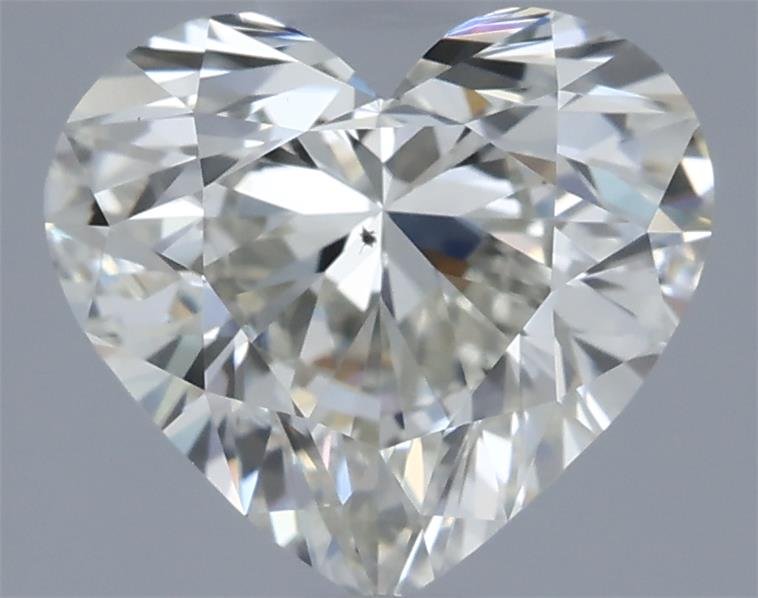
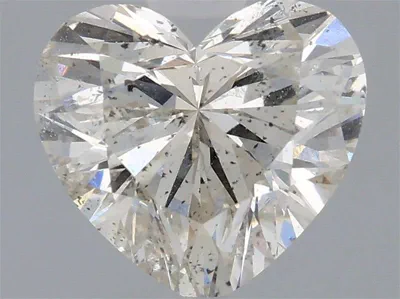
Like a pear, a heart shows body color at its point, so the same grade reads slightly warmer than it would in a round. Holding clarity at VS2 in 0.90 to 1.10 carat natural hearts, D starts at $1,105, G at $1,115, H at $1,015 and I at $885. G or better suits white metal, H to I suits yellow or rose gold. Clarity matters most in the two lobes, which are the widest, flattest part of the stone and the first place a dark inclusion shows; with color held at G to H, VS2 starts at $1,015, SI1 at $835 and VS1 at $1,070. Lab grown hearts remove the color question, with 99 percent of the one carat stones on the color ladder graded D to F, and VS1 among D to F lab hearts starting at $440.
Natural heart diamonds, 0.90 to 1.10 ct: starting price by color at VS2 clarity (877 stones) and by clarity at G to H color (1,644 stones)
| Color | Starts at | In stock |
|---|
| D | $1,105 | 151 |
| E | $1,155 | 119 |
| F | $1,135 | 134 |
| G | $1,115 | 151 |
| H | $1,015 | 135 |
| I | $885 | 121 |
| J | $860 | 39 |
| K | $855 | 27 |
| All D to K | $855 | 877 |
| Clarity | Starts at | In stock |
|---|
| SI2 | $745 | 321 |
| SI1 | $835 | 311 |
| VS2 | $1,015 | 286 |
| VS1 | $1,070 | 288 |
| VVS2 | $1,180 | 198 |
| VVS1 | $1,305 | 167 |
| IF | $1,390 | 72 |
| FL | $1,610 | 1 |
| All FL to SI2 | $745 | 1,644 |
Heart vs Pear and Round, Natural vs Lab
A heart is a pear with a cleft cut into the rounded end, and the two shapes are priced alike: a one carat natural heart has a median of $1,885 against $2,369 for a natural pear shaped diamond and $2,834 for a natural round cut diamond. At the same grade the natural to lab gap is the usual one: a G color VS1 heart in the one carat band starts at $1,245 natural and $490 lab. 22,789 of the natural hearts are GIA graded and 16,738 have no fluorescence; lab hearts are graded mostly by IGI (48,714 of 49,909). For the weight most people buy, see 1 carat heart shaped diamonds and 1 carat heart shaped lab grown diamonds.
Heart shaped, 0.90 to 1.10 ct, same grade
| Grade | Natural from | Natural median | Lab grown from |
|---|
| G color, VS1 | $1,245 | $2,082 | $490 |
| H color, SI1 | $900 | $1,588 | none in stock |
| E color, VVS2 | $1,475 | $2,599 | $435 |
| All grades, 0.90 to 1.10 ct | $655 | $1,885 | $410 |
Buying a Heart Shaped Diamond at Rare Carat
Judge the outline before the grades. On the video the lobes should be equally rounded and equally high, the cleft should be sharp and reach about a quarter of the way down, the wings should curve to a point that sits on the center line, and no dark bow tie should cross the lobes. Then use the AI price score, which compares the stone with similar hearts in stock and flags any priced above its peers, and the quality score out of 18. Have the point covered by a V prong or a bezel, since it is the only part of the stone that can chip, and choose a three prong or bezel setting that lets the cleft show. Our gemologists will look at any shortlist with you by chat or phone, without commission.
More than 2 million natural and lab grown diamonds sit behind this page, and Rare Carat is the merchant of record on every order. After the order, our New York staff examine the heart under a microscope and confirm the laser inscription on its girdle matches the report. Shipping is free and insured, returns are free for 30 days and one resize is free in the first year; rings carry a lifetime manufacturing warranty. You can split the cost at checkout with Affirm, Klarna, Afterpay, PayPal Pay Later or Katapult. A 5 out of 5 rating on Google and Trustpilot makes Rare Carat the highest rated jewelry brand in America on Trustpilot.
Counts and prices cover every heart in Rare Carat inventory on October 17, 2026 that the grid on this page shows, every carat weight: D to K color, FL to SI2 clarity, Good cut or better, GIA, IGI or GCAL graded, with or without video; 25,353 natural (20,820 with 360 HD video) and 49,909 lab grown (42,604 with 360 HD video). Prices shown are what you pay today, savings applied; each stone also shows its regular price struck through. Each group's starting price is its lowest priced stone, whatever its grade or weight. Color and clarity ladders take the 0.90 to 1.10 carat band, so it is the grade and not the weight that moves the price. Pear and round comparisons use the same day and basis.