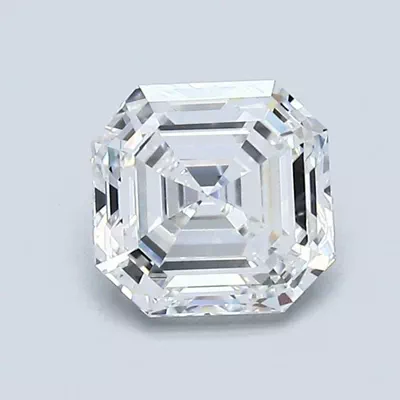
Asscher Cut Diamonds: Few in Number, Exact in Price
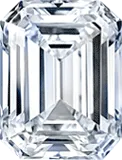
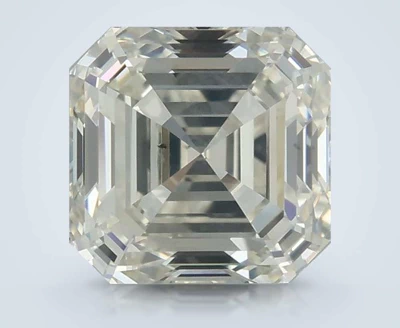
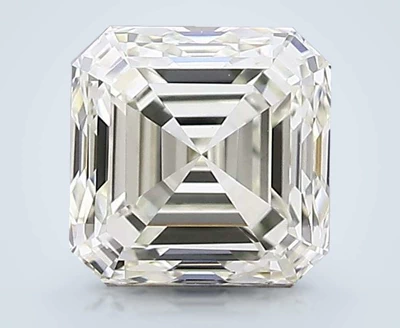
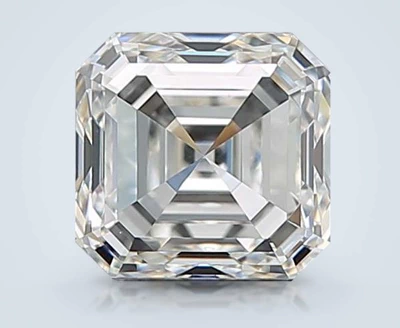
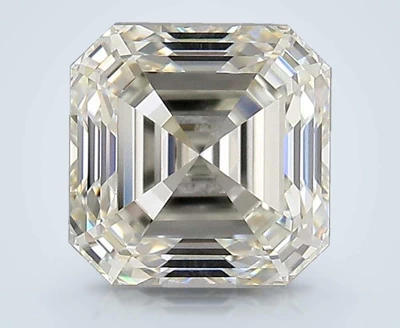
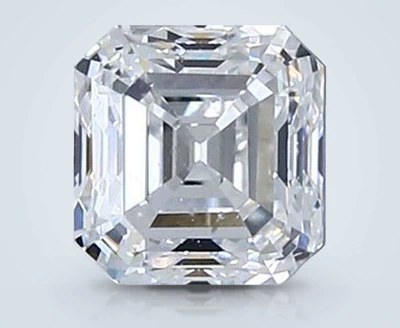
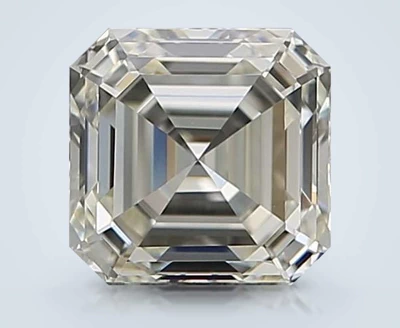
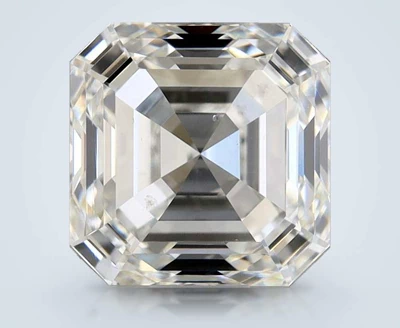
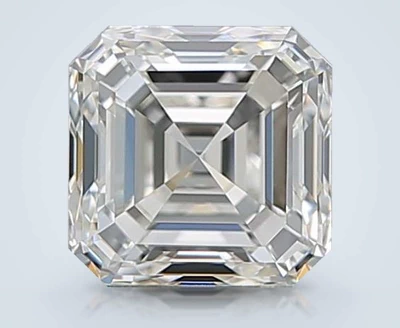
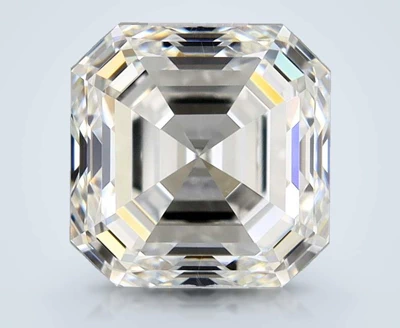
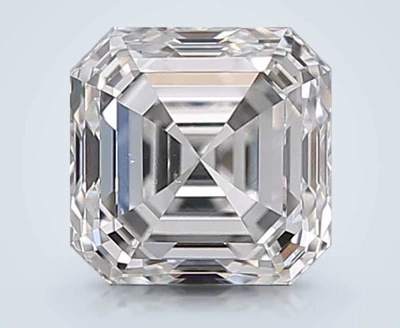
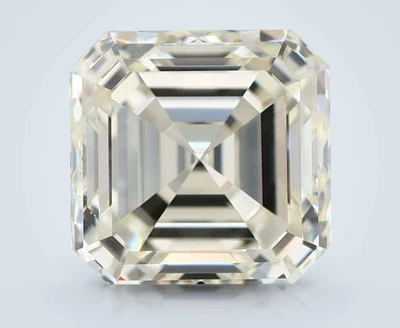
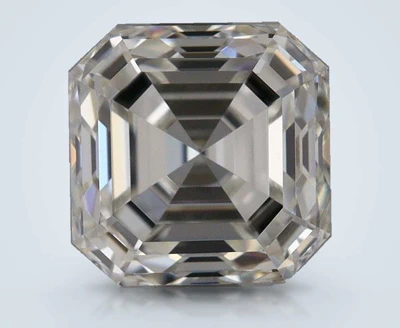
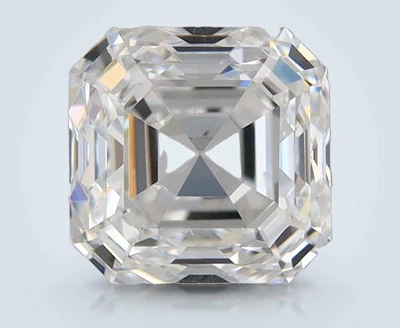
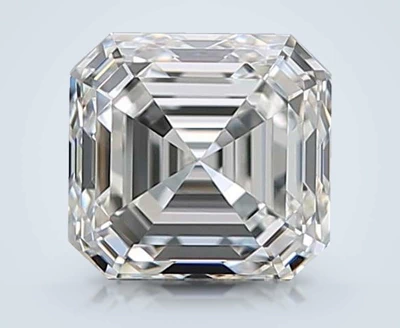
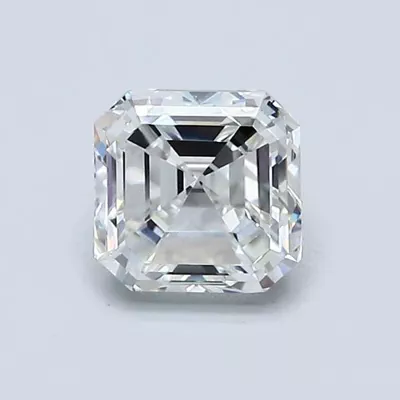
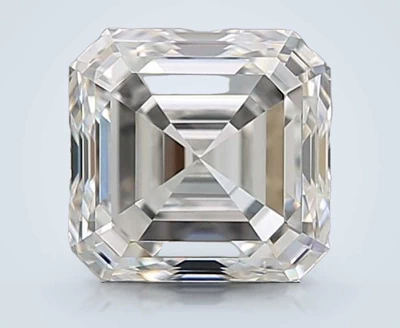
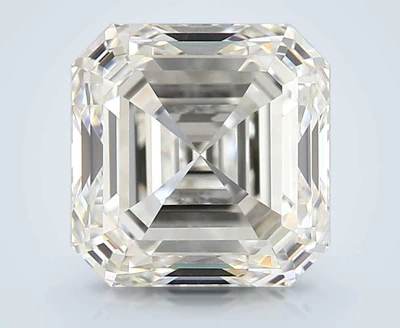
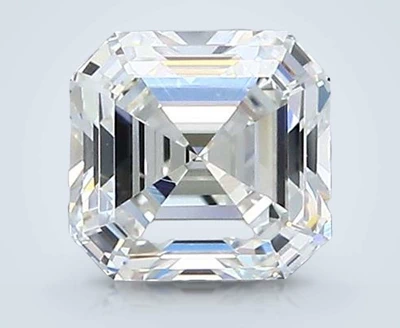
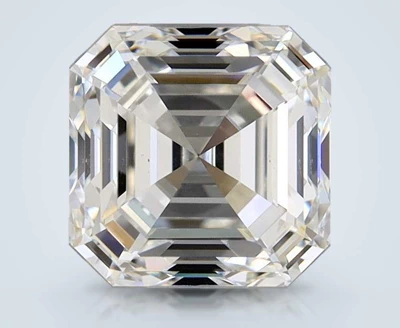
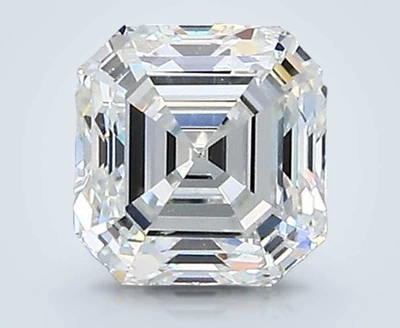
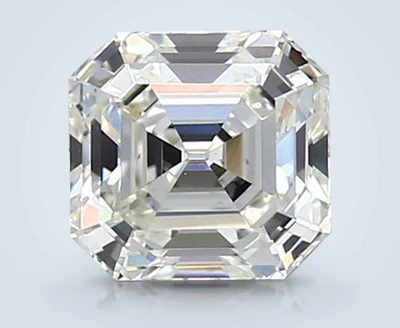
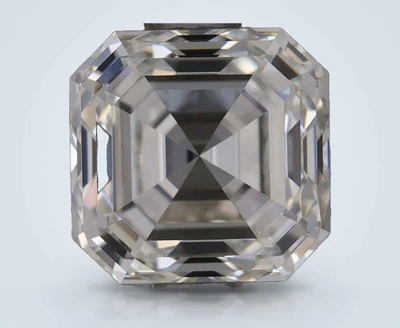
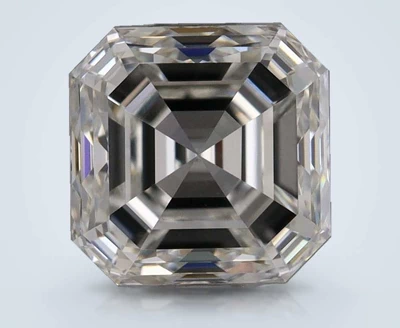
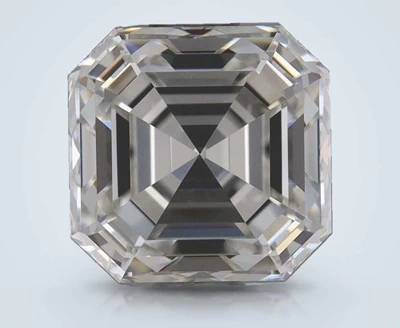
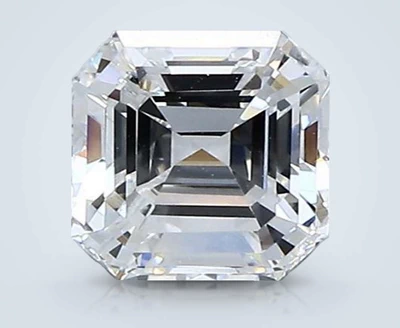
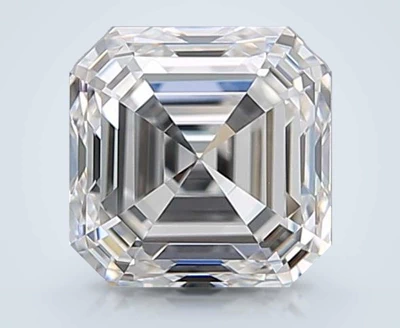
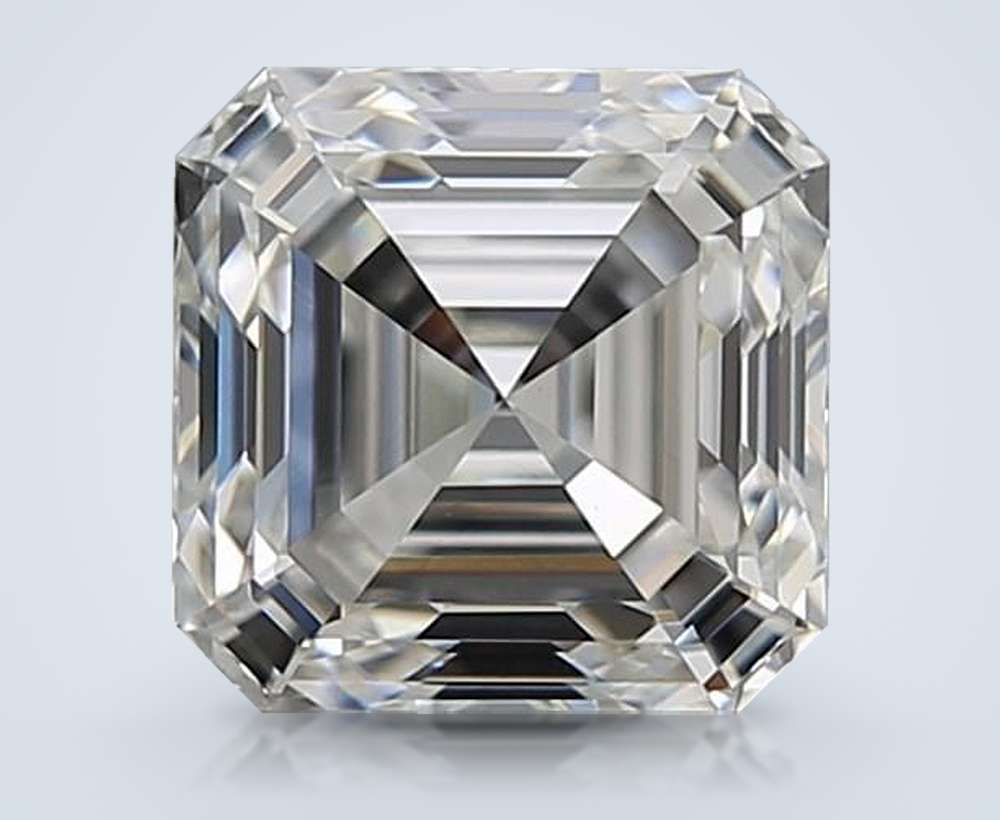
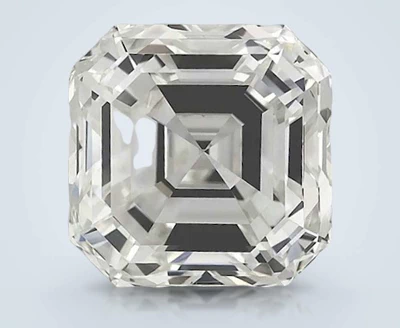
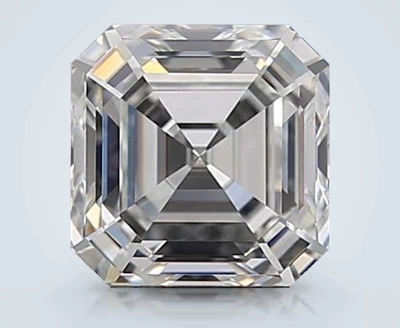
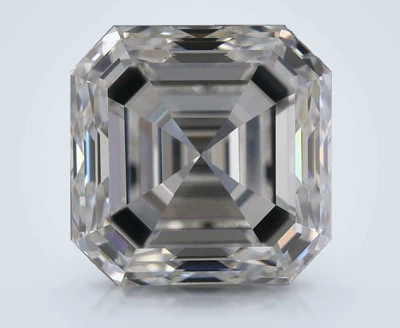
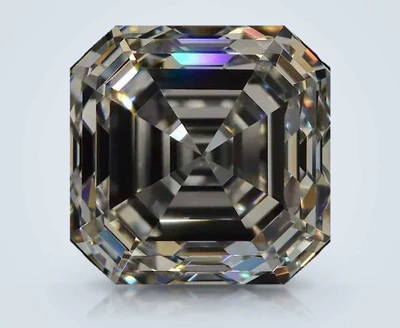
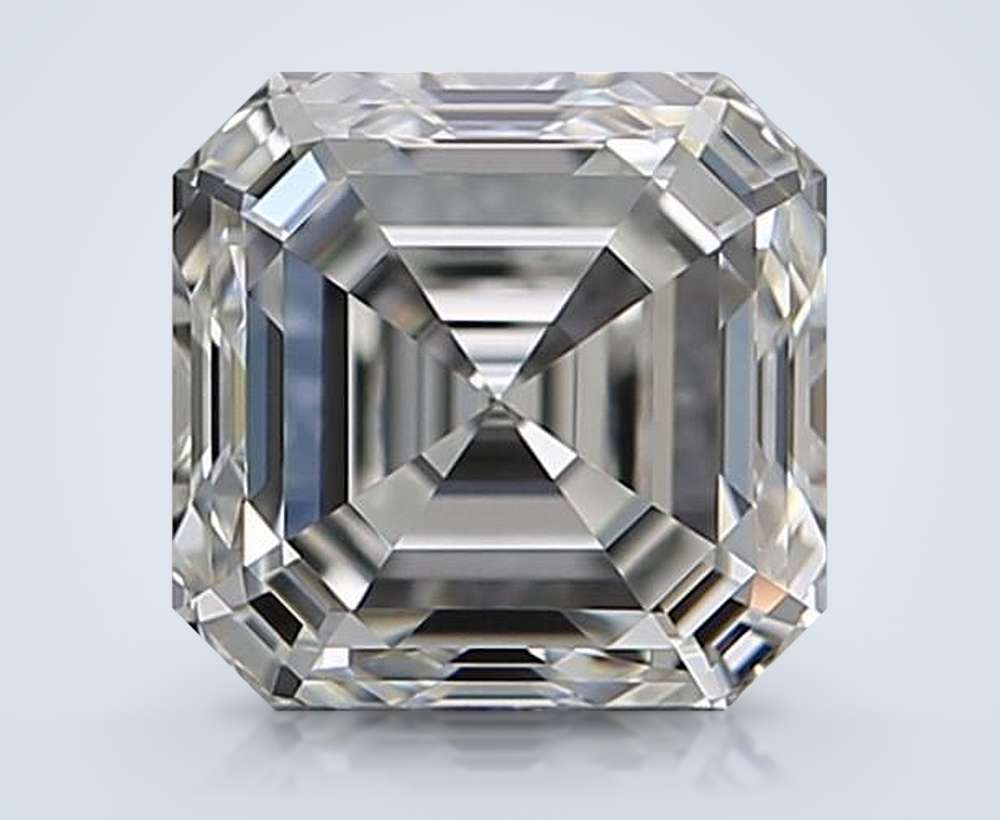
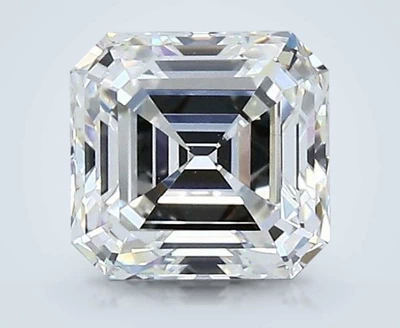
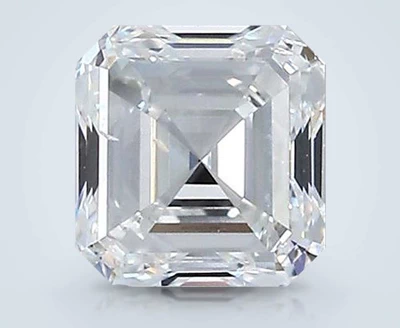
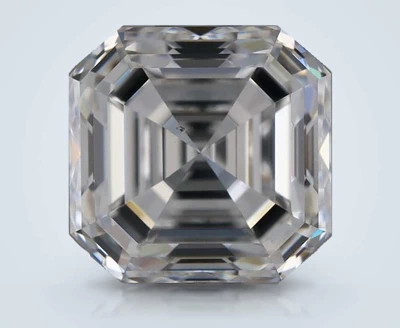
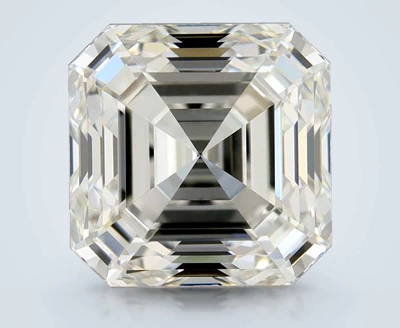
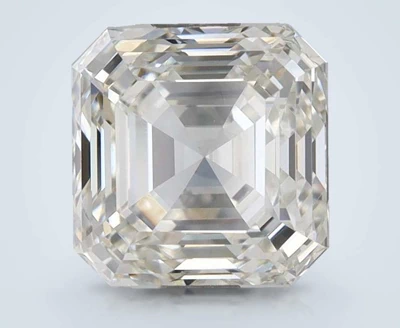
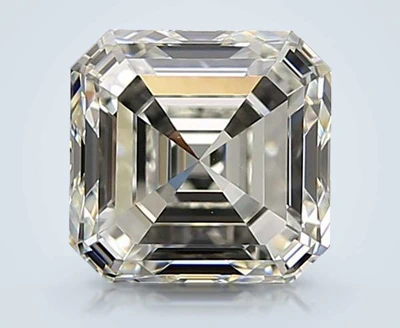
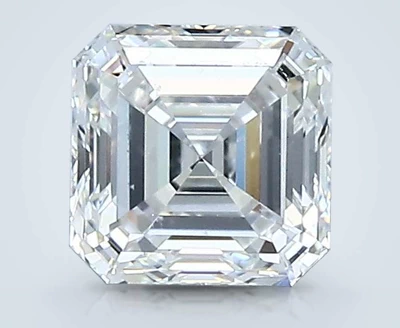
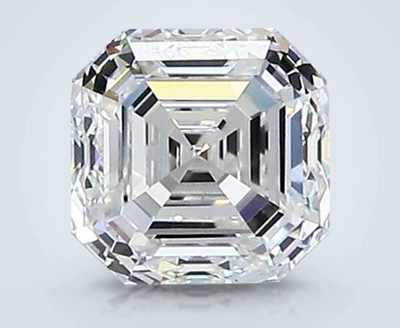
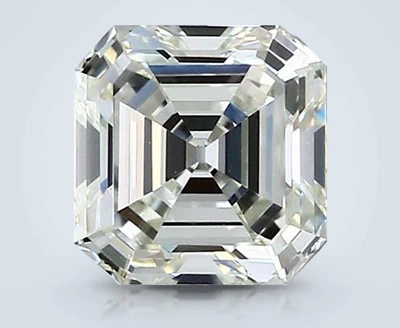
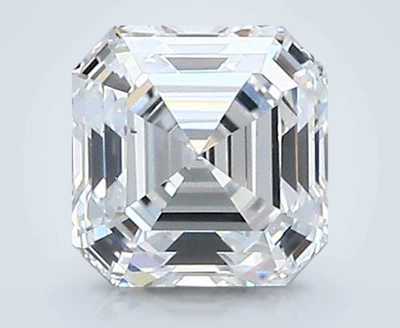
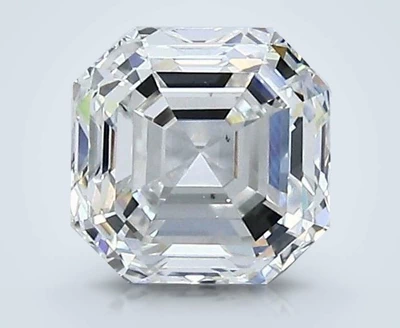
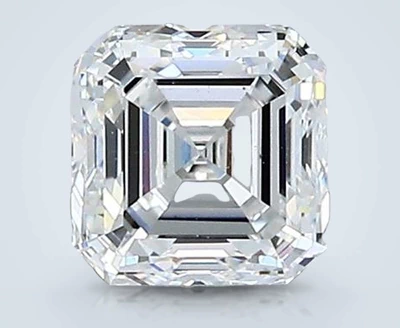
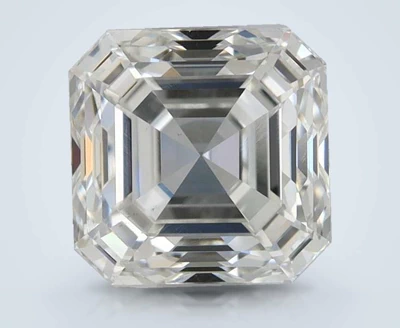
The asscher is the rarest of the ten shapes on Rare Carat: 33,578 stones today (every carat weight), 8,987 natural and 24,591 lab grown, against 181,545 for its close cousin the emerald cut. It is a square step cut with cropped corners whose concentric facets form the windmill pattern you see looking straight down into the table, and it rewards exactly the qualities that make a diamond expensive: high clarity, high color and precise symmetry. Natural asschers start at $270 and lab asschers at $130 with the current savings applied; in the one carat band the medians are $2,046 natural and $643 lab. Figures come from inventory on October 17, 2026 and are refreshed regularly.
Two cautions before the tables. An asscher carries weight in its depth, so it faces up smaller than any other shape at the same carat, about 5.5 mm square at one carat against 6.5 mm for a round. And its open step facets show inclusions and color the way an emerald cut does, so the cheapest grades that pass in a round or a radiant do not pass here.
Clarity and Color: Why an Asscher Buyer Pays for Both
With color held at G to H in one carat natural asschers, SI2 starts at $855, SI1 at $845, VS2 at $925, VS1 at $1,055 and VVS2 at $1,065. Our gemologists set the floor at VS1 for a natural asscher and VS2 only when the video shows the inclusion in a corner, because the windmill pattern draws the eye straight to the center of the table. Color behaves the same way: holding clarity at VS2, D starts at $1,235, G at $1,065, H at $925 and I at $870, and the warmth of an I asscher is visible in white metal. Lab asschers make both decisions cheap: 3,544 of the 3,581 one carat lab asschers on the color ladder are D to F, and VS1 among D to F lab stones starts at $490, VVS2 at $540.
Natural asschers, 0.90 to 1.10 ct: starting price by clarity at G to H color (692 stones) and by color at VS2 clarity (392 stones)
| Clarity | Starts at | In stock |
|---|
| SI2 | $855 | 20 |
| SI1 | $845 | 51 |
| VS2 | $925 | 125 |
| VS1 | $1,055 | 135 |
| VVS2 | $1,065 | 163 |
| VVS1 | $1,090 | 153 |
| IF | $1,115 | 39 |
| FL | $1,245 | 6 |
| All FL to SI2 | $845 | 692 |
| Color | Starts at | In stock |
|---|
| D | $1,235 | 45 |
| E | $1,270 | 60 |
| F | $1,125 | 64 |
| G | $1,065 | 60 |
| H | $925 | 65 |
| I | $870 | 59 |
| J | $765 | 25 |
| K | $680 | 14 |
| All D to K | $680 | 392 |
Natural Asscher Prices by Carat
Because so few natural asschers exist, a single stone can move a band's median, and the counts below are the honest guide to what you can actually choose from: 2,335 natural asschers between 0.90 and 1.10 carats, 496 between 1.90 and 2.10, 115 between 2.90 and 3.10. Medians run $2,046, $9,820 and $27,290. Per carat, a natural asscher is priced close to a natural emerald cut of the same grade and below a round, because the square step cut keeps more of the rough.
Natural asscher cut diamonds by carat band, prices you pay today (8,987 stones, October 17, 2026)
| Carat band | Starts at | Median | In stock |
|---|
| under 0.50 ct | $270 | $458 | 107 |
| 0.50 to 0.89 ct | $305 | $785 | 4,138 |
| 0.90 to 1.10 ct | $580 | $2,046 | 2,335 |
| 1.11 to 1.49 ct | $1,245 | $3,297 | 437 |
| 1.50 to 1.89 ct | $1,855 | $5,471 | 1,045 |
| 1.90 to 2.10 ct | $3,215 | $9,820 | 496 |
| 2.11 to 2.89 ct | $5,595 | $19,864 | 153 |
| 2.90 to 3.10 ct | $10,700 | $27,290 | 115 |
| 3.11 to 3.89 ct | $15,150 | $37,749 | 51 |
| 3.90 to 4.10 ct | $24,620 | $51,966 | 34 |
| 4.11 ct and up | $29,365 | $90,634 | 76 |
| All natural asschers | $270 | $1,416 | 8,987 |
Lab Grown Asscher Prices by Carat
Lab grown asschers are 24,591 of the stones on this page, and they turn the shape's main weakness, the small face up size, into a non issue: a two carat lab asscher, about 7 mm square, has a median of $1,703, and a three carat one, about 8.2 mm, $2,887. The one carat median is $643 and the deepest band is 1.50 to 1.89 ct.
Lab asscher diamonds by carat band, prices you pay today (24,591 stones, October 17, 2026)
| Carat band | Starts at | Median | In stock |
|---|
| under 0.50 ct | $130 | $150 | 256 |
| 0.50 to 0.89 ct | $185 | $268 | 848 |
| 0.90 to 1.10 ct | $430 | $643 | 3,692 |
| 1.11 to 1.49 ct | $525 | $1,014 | 1,021 |
| 1.50 to 1.89 ct | $835 | $1,240 | 4,786 |
| 1.90 to 2.10 ct | $1,070 | $1,703 | 3,553 |
| 2.11 to 2.89 ct | $1,240 | $2,578 | 2,349 |
| 2.90 to 3.10 ct | $1,735 | $2,887 | 2,442 |
| 3.11 to 3.89 ct | $1,960 | $3,625 | 685 |
| 3.90 to 4.10 ct | $2,155 | $3,617 | 1,962 |
| 4.11 ct and up | $2,685 | $5,498 | 2,997 |
| All lab grown asschers | $130 | $1,859 | 24,591 |
Square or Slightly Rectangular
A true asscher is square, with a ratio between 1.00 and 1.04; stones above 1.05 begin to read as short emerald cuts. 8,842 of the natural asschers here are square and 145 are slightly rectangular; in lab grown the split is 24,148 square to 443 rectangular. The square ones are what most buyers mean by asscher, and the windmill pattern only forms properly when the outline is square and the corners are cut to the same width, so check the symmetry of the pattern on the 360 HD video rather than relying on the ratio alone.
Asschers by outline (October 17, 2026)
| Outline | Natural in stock | Natural from | Natural median |
|---|
| Square (1.00 to 1.04) | 8,842 | $270 | $1,391 |
| Slightly rectangular (1.05 and over) | 145 | $390 | $2,447 |
| All natural asschers | 8,987 | $270 | $1,416 |
| Outline | Lab grown in stock | Lab grown from | Lab grown median |
|---|
| Square (1.00 to 1.04) | 24,148 | $130 | $1,860 |
| Slightly rectangular (1.05 and over) | 443 | $130 | $1,788 |
| All lab grown asschers | 24,591 | $130 | $1,859 |
The Same Asscher, Mined or Grown
A one carat G color VS1 asscher starts at $1,215 natural (median $2,007) and $465 lab; E color VVS2 is $1,360 natural against $540 lab. 8,761 of the natural asschers are GIA graded and 6,783 have no fluorescence; lab asschers are graded mostly by IGI (23,600 of 24,591). For the weight most people buy, see 1 carat asscher cut diamonds and 1 carat asscher cut lab grown diamonds; for the shape's nearest relative, the emerald cut diamonds page uses the same basis.
Asscher cut, 0.90 to 1.10 ct, same grade
| Grade | Natural from | Natural median | Lab grown from |
|---|
| G color, VS1 | $1,215 | $2,007 | $465 |
| H color, SI1 | $845 | $1,802 | none in stock |
| E color, VVS2 | $1,360 | $2,558 | $540 |
| All grades, 0.90 to 1.10 ct | $580 | $2,046 | $430 |
Buying an Asscher at Rare Carat
Look down the table on the video first: the windmill should be crisp and centered, the corners equal, and the center free of anything dark. Then read the AI price score, which compares the stone with similar asschers in stock and flags anything priced above its peers, and the quality score out of 18 that weighs cut, color and clarity together. With a shape this scarce, a stone you shortlist can be gone in days, and our gemologists will tell you by chat or phone, without commission, whether the one in front of you is worth moving on.
Rare Carat is the merchant of record for every order and carries more than 2 million natural and lab grown diamonds. After you order, the diamond goes to our New York facility, where staff examine it under a microscope and confirm the laser inscription matches the report. Shipping is insured and free, returns are accepted free for 30 days, resizing is free for the first year, and every ring has a lifetime manufacturing warranty. Affirm, Klarna, Afterpay, PayPal Pay Later and Katapult are available when you check out. Rare Carat is rated 5 out of 5 on Google and 5 out of 5 on Trustpilot, which ranks it the highest rated jewelry brand in America.
Counts and prices cover every asscher diamond in Rare Carat inventory on October 17, 2026 that the grid on this page shows, every carat weight: D to K color, FL to SI2 clarity, Good cut or better, GIA, IGI or GCAL graded, with or without video; 8,987 natural (8,155 with 360 HD video) and 24,591 lab grown (21,883 with 360 HD video). Prices are what you pay today with the current savings applied; regular prices appear struck through on each stone. Starting prices mean the lowest priced stone in each group, at whatever grade and weight. Color and clarity ladders cover the 0.90 to 1.10 carat band, so that grade and not weight moves the price. Emerald cut comparisons use the same day and basis.